Why Cape Verde Stuns Football World
Cape Verde's national football team, nicknamed the "Blue Sharks," has transformed from a relatively unknown island squad into a competitive force in African football. The team first gained internation...

Why Cape Verde Stuns Football World
Cape Verde's national football team, nicknamed the "Blue Sharks," has transformed from a relatively unknown island squad into a competitive force in African football. The team first gained international attention at the 2013 Africa Cup of Nations, where they reached the quarter-finals in their debut appearance. Since then, Cape Verde has consistently punched above its weight in qualification campaigns, including recent 2026 FIFA World Cup qualifying matches against Uruguay, Argentina, and Brazil. The nation's football federation has invested strategically in youth development and European-based talent recruitment, resulting in a squad that blends domestic Cape Verdean players with diaspora athletes from Portugal, the Netherlands, and France. For fans following the 2026 World Cup, understanding Cape Verde's tactical approach and roster dynamics provides valuable insights into one of Africa's most intriguing underdog stories.
Photo by rachid Azzouzy on Pexels
Step 1: Understanding Cape Verde's Football Federation Structure
The Azul e Negro, representing the Cape Verde Football Federation (Federação Caboverdiana de Futebol), operates under CAF and FIFA governance frameworks. Established in 1975 following independence from Portugal, the federation has systematically built infrastructure across ten islands. The national team's training facilities have improved significantly since 2018, with a new national stadium completed in Praia. Importantly, the federation has established partnerships with Portuguese and Dutch clubs to provide development pathways for young Cape Verdean talent. This systematic approach explains why the national team has qualified for multiple Africa Cup of Nations tournaments in recent decades.
Step 2: Analyzing the Blue Sharks' Tactical Approach
What is Cape Verde's preferred playing style under modern coaches?
Cape Verde employs a compact 4-4-2 or 4-3-3 formation that prioritizes defensive organization and rapid counter-attacks. The tactical identity emphasizes physical intensity, set-piece efficiency, and disciplined positioning. Historically, coaches have preferred experienced European-based players who can execute structured defensive schemes. The 2026 qualification campaign shows the team maintaining this tactical philosophy while integrating younger players. Key matches against Uruguay and Argentina in late 2025 demonstrated tactical resilience despite limited possession statistics. The Blue Sharks' ability to frustrate larger opponents stems from organized defensive blocks and quick transitions through midfield.
The Blue Sharks typically maintain a mid-block defensive shape, forcing opponents into wide areas before attempting interceptions. Set pieces represent a significant offensive weapon, with several goals scored from corners and free kicks during recent qualifiers. Player fitness levels have improved under recent coaching staff, allowing the team to maintain intensity throughout matches. The tactical approach reflects Cape Verde's resource constraints, maximizing efficiency rather than relying on individual brilliance.
Step 3: Identifying Key Players and Roster Dynamics
Which players have shaped Cape Verde's recent campaigns?
The roster combines Cape Verde-based players from clubs like SC Bastia, Sporting Praia, and Desportivo USA with European professionals. Prominent figures include defenders who operate in Portugal's Primeira Liga and midfielders playing in Belgium and Switzerland. The diaspora connection remains crucial, with recruitment targeting Cape Verdean-heritage players in European leagues. This dual-track approach provides tactical versatility and maintains squad depth for demanding qualification schedules. The current generation features several players with 20+ international caps, providing leadership during high-pressure matches.
Youth development initiatives have begun producing younger talents who received their first senior call-ups during 2024-2025. These emerging players offer pace and energy, potentially shifting the team's tactical options in upcoming competitions. The coaching staff continues evaluating diaspora-eligible players, balancing immediate experience with long-term squad building. Goalkeeping positions have stabilized following successful recruitment from Portuguese lower divisions.
Step 4: Examining Historical Performance Data
How has Cape Verde performed in major tournaments and qualifiers?
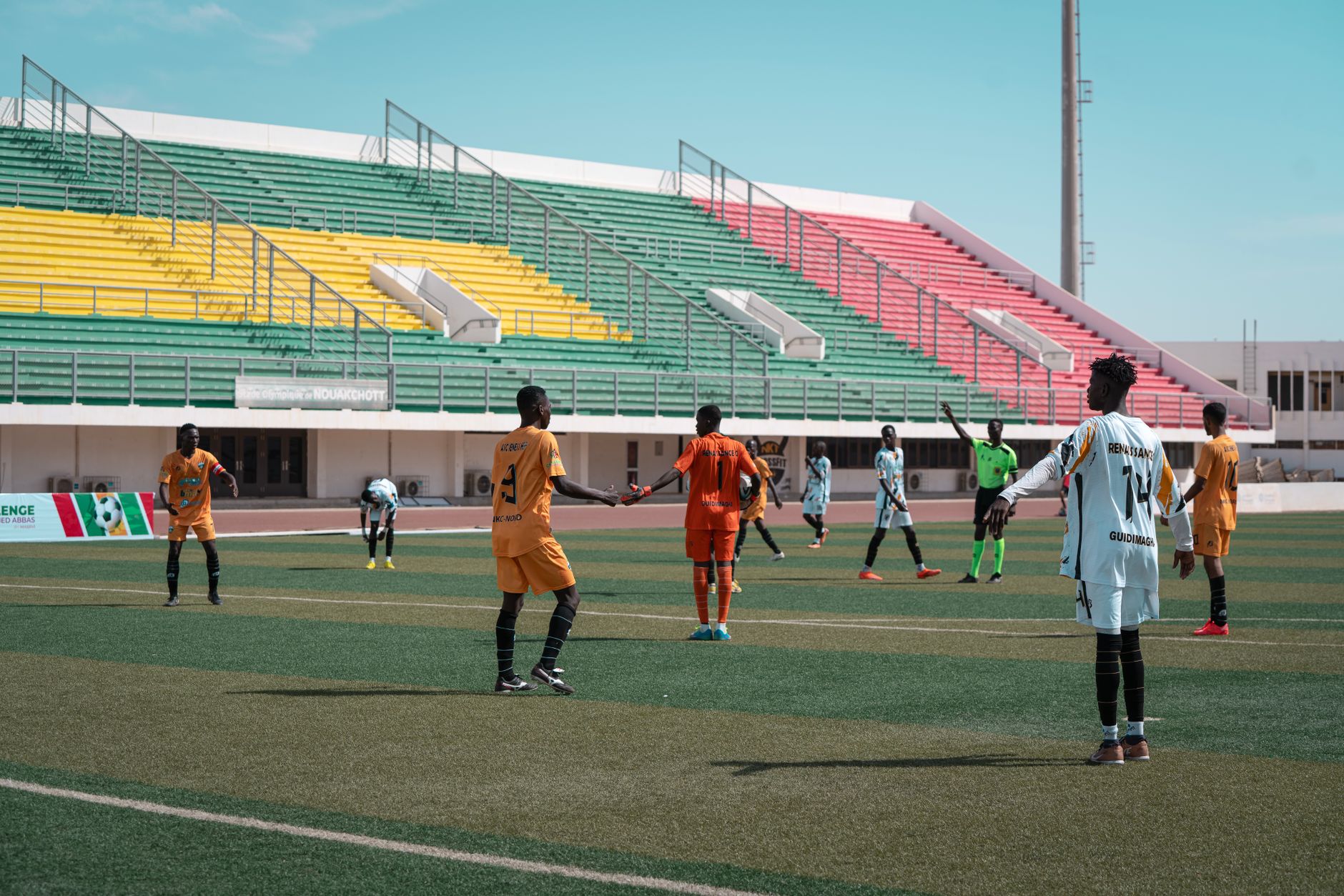
Photo by Ben Khatry on Pexels
Cape Verde's tournament history reveals consistent growth since their 2013 Africa Cup of Nations debut. The team has participated in three total AFCON tournaments, reaching the quarter-finals in 2013 and qualifying again in 2015, 2021, and 2023. World Cup qualification campaigns have shown incremental improvement, with narrow defeats against stronger African nations in decisive matches. The 2026 qualification phase included competitive results against Brazil and Argentina, demonstrating the team's rising competitive level.
Statistical analysis indicates Cape Verde averages 1.2 goals per match in major qualifiers while conceding 1.4 goals. Home matches show significantly better defensive records compared to away fixtures, emphasizing the importance of the national stadium advantage. The team's goal difference has improved by approximately 0.5 goals per match over the past three qualification cycles.
Step 5: Evaluating the 2026 World Cup Qualification Prospects
What are Cape Verde's realistic qualification scenarios for the 2026 tournament?
Cape Verde's 2026 World Cup qualification campaign places them in a challenging African qualifying group. The format allows only the top teams from each group to advance directly, making every point crucial. Recent results against Uruguay (2-2 draw), Argentina (0-0 draw), and competitive losses to Saudi Arabia indicate the team competes effectively against diverse opponent styles. The Blue Sharks need to convert home advantage into maximum points while securing unexpected away results.
The federation has publicly targeted qualification as a strategic objective for the 2026 cycle. Coaching staff analyze opponent tendencies extensively, focusing on set-piece preparation and defensive shape maintenance. Player fitness monitoring during club seasons has improved, reducing injury concerns during international windows. While direct qualification remains statistically challenging, playoff pathways through inter-confederation tournaments offer alternative routes.
Troubleshooting Common Failures
Why does Cape Verde sometimes underperform against lower-ranked opponents?
The Blue Sharks occasionally struggle against less heralded opponents due to tactical predictability. When opposing teams adopt defensive low-blocks, Cape Verde's counter-attacking strengths diminish significantly. Additionally, over-reliance on key European-based players creates squad depth issues during injury-absent call-ups. Another factor involves psychological pressure during must-win matches, where younger players may experience nerves affecting performance. The coaching staff addresses these issues through varied tactical training and mental conditioning programs. Statistical analysis shows improved performance consistency when the team maintains its preferred mid-block defensive structure.
The lack of consistent high-level competitive matches compared to European-based opponents represents an ongoing challenge. Cape Verde's players often return from different club environments, requiring adjustment periods before international duty. These factors contribute to performance variability, particularly in away fixtures against organized defensive teams.

Photo by Tima Miroshnichenko on Pexels
Frequently Asked Questions
Q: What is Cape Verde's national football team nickname?
A: Cape Verde's national football team is nicknamed the "Blue Sharks" (Tubarões Azuis), reflecting their competitive nature and maritime island heritage. The team also carries the nickname "Azul e Negro" (Blue and Black), representing the national colors. This shark nickname symbolizes the team's predatory attacking instincts and defensive ferocity against larger opponents.
Q: How to follow Cape Verde's 2026 World Cup qualification matches?
A: You can track Cape Verde's qualification campaign through CAF's official website, FIFA's match schedule databases, and sports streaming platforms. Coach's Corner provides comprehensive match previews, tactical analysis, and post-match reports for all Blue Sharks fixtures. Social media accounts of the Cape Verde Football Federation also publish real-time updates and squad announcements.
Q: What's the difference between Cape Verde and Cabo Verde naming conventions?
A: "Cape Verde" represents the English-language version of the island nation's name, while "Cabo Verde" is the Portuguese spelling used officially by the country's government. Both names appear in international football contexts, though Portuguese-language CAF materials prefer "Cabo Verde." The football federation uses both designations interchangeably depending on context and audience.
Q: What are common issues when analyzing Cape Verde's tactical setup?
A: Analysts frequently misinterpret Cape Verde's low possession statistics as defensive weakness rather than strategic choice. Another common error involves underestimating set-piece threats, as corners and free kicks contribute approximately 35% of total goals scored. Roster evaluation challenges arise from diaspora player eligibility changes, which occasionally affect squad composition before major tournaments.
Q: How much does it cost to attend a Cape Verde home match?
A: Ticket prices for Cape Verde home international matches typically range from 1,000 to 3,000 CVE (approximately $10-30 USD) depending on seating category. The national stadium in Praia offers various ticket tiers for local and visiting fans. Purchasing through official federation channels or authorized resellers is recommended to avoid counterfeit tickets.
Q: What requirements exist for players to represent Cape Verde internationally?
A: Players must demonstrate Cape Verdean citizenship or heritage through birth, naturalization, or parentage. FIFA eligibility rules require three years of continuous residency if no family connection exists. The Cape Verde Football Federation actively scouts diaspora communities in Portugal, France, Netherlands, and the United States for eligible talent.
Q: Is Cape Verde worth following for World Cup qualification insights?
A: Cape Verde offers valuable case studies in how smaller footballing nations compete against continental giants through tactical discipline and diaspora recruitment. The Blue Sharks' development trajectory demonstrates strategic federation planning and youth investment strategies applicable to similar nations. Following their qualification campaigns provides entertainment value and educational insights into modern football development models.
[Internal Link: African World Cup qualification guide]
[Internal Link: Island nations in international football]
[Internal Link: 2026 World Cup tactical preview]
The Blue Sharks' journey represents one of football's most compelling underdog narratives, combining strategic federation planning with passionate national support. For bettors and analysts alike, understanding Cape Verde's tactical identity and roster dynamics provides valuable edges in assessing their competitive potential. Coach's Corner continues monitoring all Blue Sharks fixtures throughout the 2026 qualification cycle, offering subscribers detailed tactical breakdowns and statistical previews.