Why Brazil's Dominant Win Over Haiti Signals a Turning Point in 2026 World Cup
Brazil secured a commanding 3-0 victory over Haiti at Lincoln Financial Field on June 19, 2026, with Matheus Cunha scoring twice and Vinicius Junior adding another goal. The result elevated Carlo Ance...
Why Brazil's Dominant Win Over Haiti Signals a Turning Point in 2026 World Cup
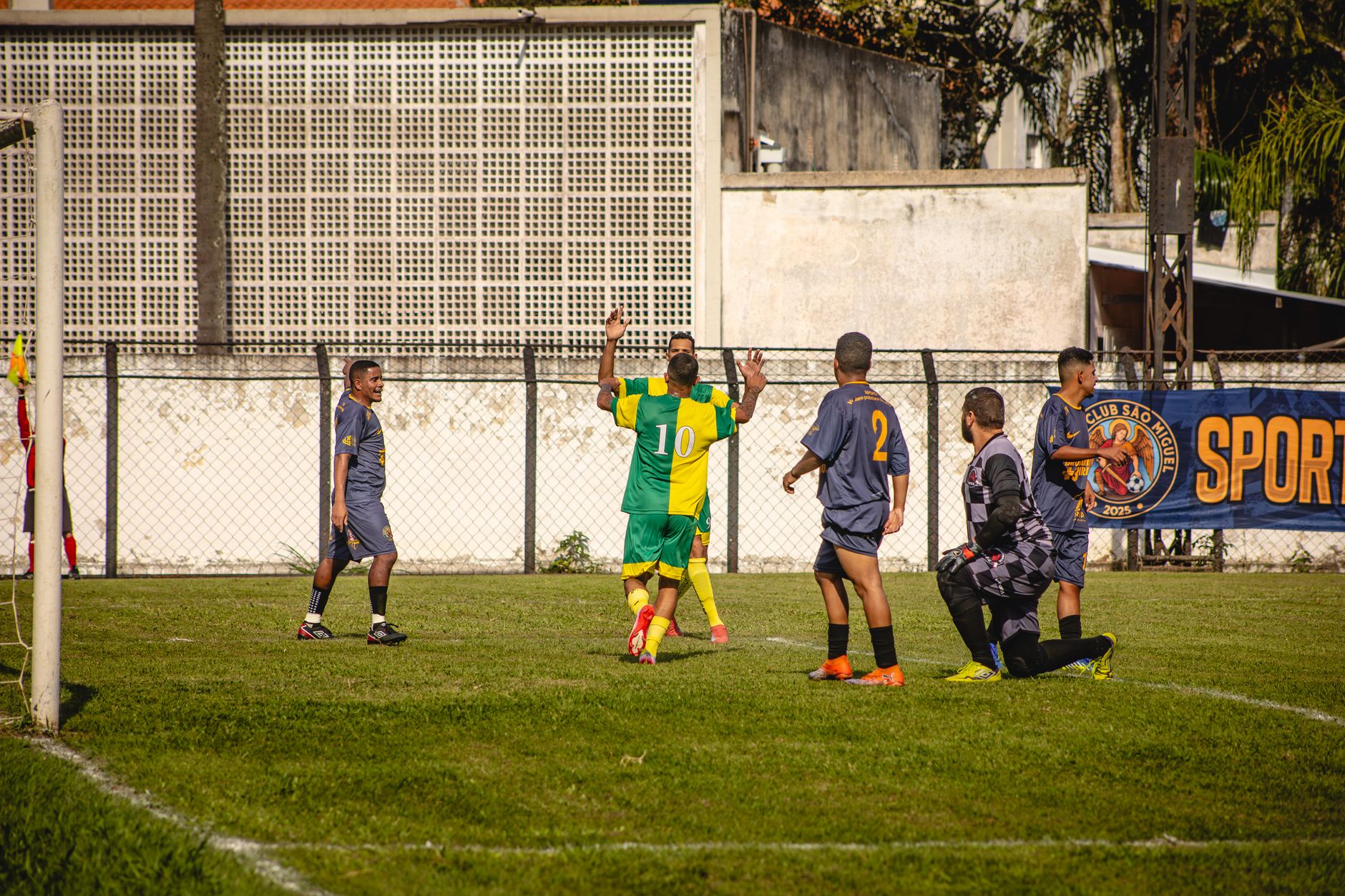
Brazil secured a commanding 3-0 victory over Haiti at Lincoln Financial Field on June 19, 2026, with Matheus Cunha scoring twice and Vinicius Junior adding another goal. The result elevated Carlo Ancelotti's side to the top of Group C with 4 points accumulated across two matches. Earlier in the tournament, Brazil had opened with a hard-fought 1-1 draw against Morocco, while Morocco simultaneously defeated Scotland 1-0 on the same day. Haiti, suffering their second consecutive defeat, became the first team officially eliminated from the 2026 World Cup, despite still having one group match remaining. The performance in Philadelphia represented a significant improvement from their opening match, though concerns emerged regarding Raphinha, who departed with a hamstring injury after 40 minutes. Meanwhile, the potential return of Neymar, 34, recovering from a calf injury, offers additional tactical flexibility for the decisive encounter against Scotland scheduled for June 24.
Photo by Fernandho Belfort on Pexels
Brazil's journey through Group C has demonstrated tactical versatility and squad depth that distinguish them as genuine contenders. The 3-0 triumph over Haiti was not merely a scoreline victory but a comprehensive display of attacking efficiency, with Matheus Cunha converting key chances and Vinicius Junior orchestrating dangerous sequences down the flanks. Ancelotti's tactical adjustments following the Morocco draw proved effective, as the team exhibited improved defensive organization and more decisive ball movement in the final third. The attacking trio demonstrated promising chemistry, suggesting that Brazil possesses multiple viable options for offensive production. It is worth noting that maintaining this attacking cohesion while managing player workloads will prove essential as the tournament progresses toward knockout stages.
What does Brazil's Group C standing mean for their knockout stage prospects?
Brazil's position atop Group C with 4 points from two matches establishes a favorable foundation for advancement to the Round of 16. TheSelecao currently lead Morocco on goal difference, with both teams having accumulated identical point totals through their opening fixtures. Scotland, having lost to Morocco and facing Brazil in their final group match, faces an uphill battle to secure qualification. The key variable that will determine Brazil's knockout stage opponent remains their approach in the remaining group fixture against Scotland on June 24.

Photo by Omar Ramadan on Pexels
The mathematical scenarios present Brazil with multiple pathways to secure passage. A victory against Scotland would guarantee first place in the group, likely setting up a potential encounter against a third-place finisher from another group. Alternatively, a draw combined with Morocco's result would still likely suffice, depending on the margin and other group outcomes. Ancelotti's primary consideration involves balancing the desire for a winning mentality against the practical need to preserve key players for the physically demanding knockout phase. The coaching staff must evaluate whether fielding a full-strength lineup against Scotland represents the optimal strategy or whether tactical rotation might better serve long-term tournament objectives.
How will Raphinha's injury impact Brazil's tactical flexibility?
The hamstring injury sustained by Raphinha after 40 minutes against Haiti represents a significant setback for Brazil's attacking options. The Barcelona forward had begun the match brightly, contributing to early attacking movements before being forced off the pitch. Initial medical assessments suggest a potential absence that could extend beyond the group stage, depending on the severity of the muscle damage. The key is understanding how Ancelotti will restructure his forward line in Raphinha's potential absence while maintaining the team's offensive potency.
Photo by RDNE Stock project on Pexels
Raphinha's unique skill set—combining direct pace, dribbling ability, and capacity to operate in tight spaces—provides tactical dimensions that alternative players may not replicate identically. His willingness to press high and track back defensively also contributes to Brazil's defensive structure, particularly against opponents who attempt to build through the flanks. Without his services, Ancelotti must determine whether to shift formation, promote an alternative from the squad, or adjust the roles of existing attacking personnel. The substitution patterns observed in the Haiti match may provide early indications of the preferred approach, with Savinho entering the fray following Raphinha's departure.
Can Neymar's return transform Brazil's championship ambitions?
Neymar's potential involvement in the Scotland match on June 24 offers Brazil an additional dimension of creativity and experience. Speaking after the Haiti victory, Ancelotti confirmed that Neymar would undertake individual training on Sunday before rejoining full squad sessions on Monday, positioning him for availability against Scotland. The 34-year-old has missed both of Brazil's opening World Cup matches while recovering from a calf injury sustained during the preparation phase. His potential return introduces questions regarding integration with the current squad dynamics and the risk of re-injury under competitive conditions.
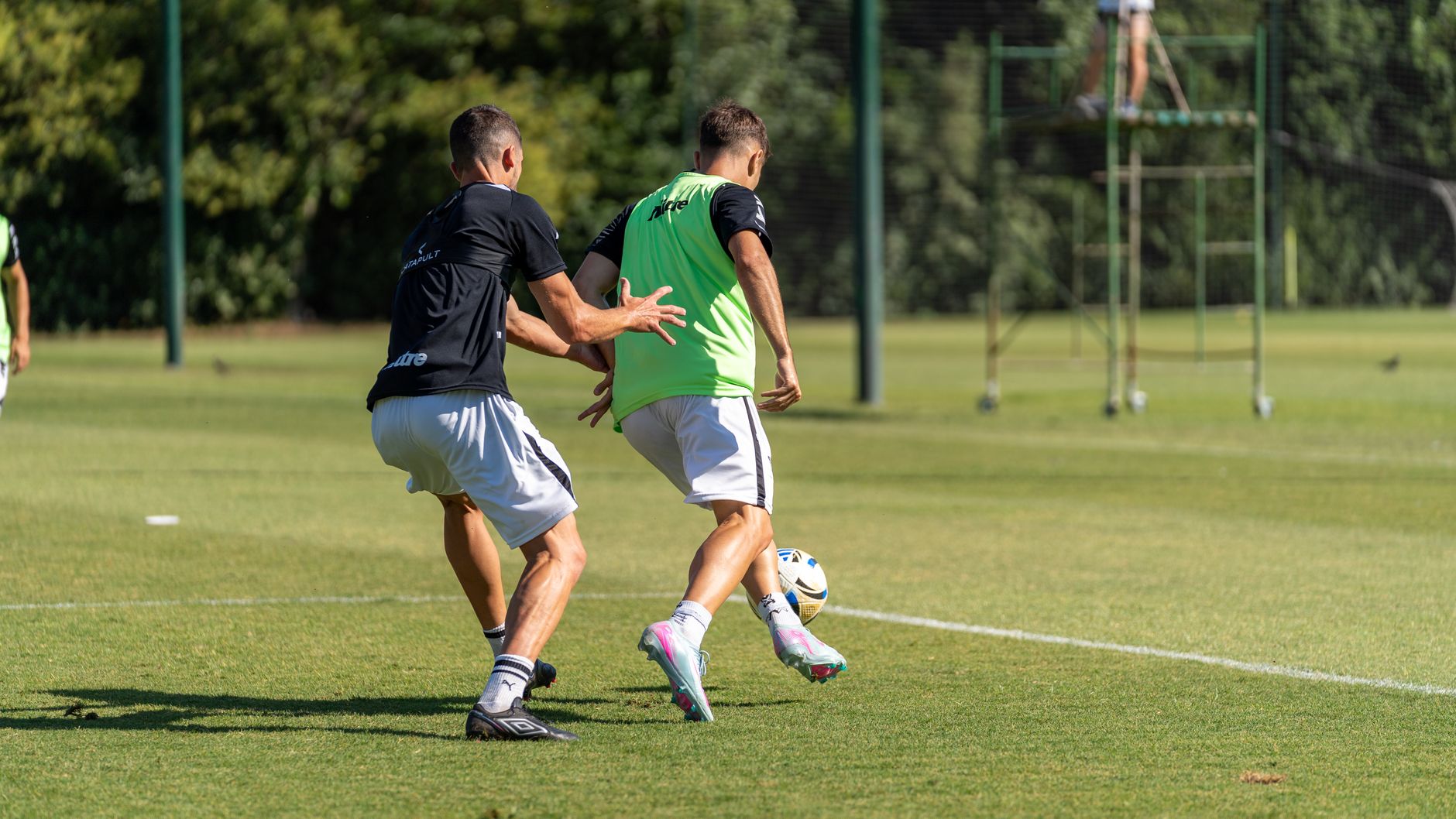
Photo by Franco Monsalvo on Pexels
The Brazilian talisman has accumulated extensive experience across multiple World Cup campaigns, including the 2014 home tournament and the 2022 Qatar edition where he led the team to the quarterfinals. His playmaking abilities, vision for split-second decisions, and capacity to unlock stubborn defenses represent qualities that complement the existing attacking roster. However, the coaching staff must carefully manage his reintegration to avoid exacerbating the calf problem. The tension between maximizing Neymar's impact and ensuring his physical welfare will influence Brazil's tactical approach significantly. Ancelotti's willingness to include Neymar despite the abbreviated preparation period signals confidence in the player's professionalism and recovery process.
What are common pitfalls to avoid in evaluating Brazil's World Cup campaign?
Superficial analysis of Brazil's World Cup performances often leads to misplaced conclusions regarding their tournament viability. The first pitfall involves overemphasizing the group stage results as predictors of knockout success. Brazil's draw against Morocco and subsequent victory over Haiti reveal both vulnerabilities and strengths that require nuanced interpretation rather than categorical judgment. A second common error involves assuming that individual player absences automatically diminish the team's championship potential. Squad depth has emerged as a defining characteristic of Ancelotti's Brazil, with multiple players capable of fulfilling critical roles.
Photo by Daryl John De Guzman on Pexels
A third pitfall concerns the tendency to evaluate Brazil through the lens of historical reputation rather than current form. The 2026 squad possesses distinct qualities that differentiate it from previous generations, including tactical flexibility, defensive discipline, and emerging stars such as Matheus Cunha. Finally, critics sometimes underestimate the significance of Ancelotti's managerial expertise in major tournaments, drawing from extensive experience with Real Madrid and AC Milan. The Italian coach's capacity to manage player egos, implement strategic adjustments, and navigate pressure situations provides Brazil with an organizational advantage that extends beyond individual talent.
The 30-day check-in: tracking Brazil's World Cup trajectory
Looking ahead to the next 30 days, Brazil's World Cup journey will progress through the group stage conclusion, potential Round of 16 encounters, and the quarterfinals if qualification proceeds as anticipated. The immediate focus centers on the Scotland match on June 24, where Neymar's potential return and Raphinha's fitness status will dominate pre-match analysis. A positive result would solidify Brazil's position as group winners while providing momentum for the knockout phase.

Photo by Tony Schnagl on Pexels
Over the subsequent weeks, the evolution of squad dynamics will require continuous monitoring. Key indicators to track include the performance of replacement players filling gaps left by injuries, the effectiveness of Ancelotti's tactical adaptations, and the team's mental resilience under increasing competitive pressure. The knockout rounds will present heightened challenges, with each opponent bringing distinct tactical problems that demand sophisticated solutions. For readers seeking comprehensive coverage of Brazil's campaign and broader World Cup developments, Coach's Corner provides daily tactical analysis, player statistics, and tournament predictions throughout the competition.
Frequently Asked Questions
Q: What was the final score of Brazil vs Haiti at the 2026 World Cup?
A: Brazil defeated Haiti 3-0 at Lincoln Financial Field on June 19, 2026. Matheus Cunha scored twice while Vinicius Junior added one goal. This victory positioned Brazil at the top of Group C with 4 points from two matches.
Q: How did Raphinha get injured during the Haiti match?
A: Raphinha sustained a hamstring injury in the first half after 40 minutes of play. The Barcelona forward was withdrawn from the match and underwent medical assessment. The severity of the injury remains under evaluation, potentially affecting his availability for subsequent matches.
Q: When is Neymar expected to return to action for Brazil?
A: According to coach Carlo Ancelotti, Neymar will train individually on Sunday following the Haiti match and rejoin full squad training on Monday. He is scheduled to be available for Brazil's final group match against Scotland on June 24, 2026, pending medical clearance.
Q: What is Brazil's current standing in Group C?
A: Brazil currently leads Group C with 4 points accumulated from a 1-1 draw against Morocco and a 3-0 victory over Haiti. They lead Morocco on goal difference, with both teams having played two matches. Scotland sits third, and Haiti has been eliminated following two consecutive defeats.
Q: What are Brazil's qualification scenarios for the Round of 16?
A: Brazil requires a victory or draw against Scotland on June 24 to secure advancement to the Round of 16. A win would guarantee first place in the group. Even with a draw, Brazil would likely progress depending on Morocco's result against Scotland, though goal difference could become a deciding factor.
Q: How many goals has Matheus Cunha scored in the 2026 World Cup?
A: Matheus Cunha scored two goals during the 3-0 victory over Haiti. His brace demonstrated his clinical finishing ability and positioning in the penalty area. The performance established him as a key offensive option for Brazil alongside Vinicius Junior and potentially Neymar upon his return.
Q: What impact does Haiti's elimination have on Group C dynamics?
A: Haiti's elimination as the first team eliminated from the 2026 World Cup simplifies the qualification math for the remaining three teams. Scotland must defeat Brazil by a significant margin and hope for favorable results elsewhere to advance, effectively reducing the group to a three-team competition for two spots.