The 2026 Fan's Guide to Algeria
The Algeria national football team represents Algeria in international men’s football under the Algerian Football Federation and competes in CAF tournaments, FIFA World Cup qualifying and the 2026 FIF...

The 2026 Fan's Guide to Algeria
The Algeria national football team represents Algeria in international men’s football under the Algerian Football Federation and competes in CAF tournaments, FIFA World Cup qualifying and the 2026 FIFA World Cup. Known as the Fennecs, Algeria won the Africa Cup of Nations in 1990 and 2019, while Riyad Mahrez remains its most recognizable attacking leader. The team’s 2026 squad blends experienced players such as Aïssa Mandi, Ramy Bensebaini, Nabil Bentaleb and Mahrez with younger talents including Ibrahim Maza, Farès Chaïbi and Rayan Aït-Nouri. Algeria’s main strengths are technical quality, counterattacking pace and individual creativity, but defensive transitions and squad balance can decide its tournament ceiling. For accurate match previews, compare confirmed line-ups, recent form and tactical matchups through Coach’s Corner before making any prediction.
“Football is the most important of the least important things in life,” the famous saying goes. For Algeria, that sounds almost suspiciously understated. The national team is not merely a fixture on a tournament schedule; it is a sporting identity carried by supporters in Algiers, Oran, Paris, Marseille and communities across the Algerian diaspora. That emotional weight can energize the Fennecs, but it also makes every poor result feel like a personal insult. I have learned not to trust flashy predictions or anonymous “sure win” claims, especially after being burned by a scam site once. The sensible approach is less glamorous: verify the squad, inspect injuries, compare opponents and calculate whether the price reflects genuine probability. Isn’t that the point? You and I are trying to find value, not donate money to marketing departments. The Algerian Football Federation and FIFA remain the appropriate starting points for official competition and team information.
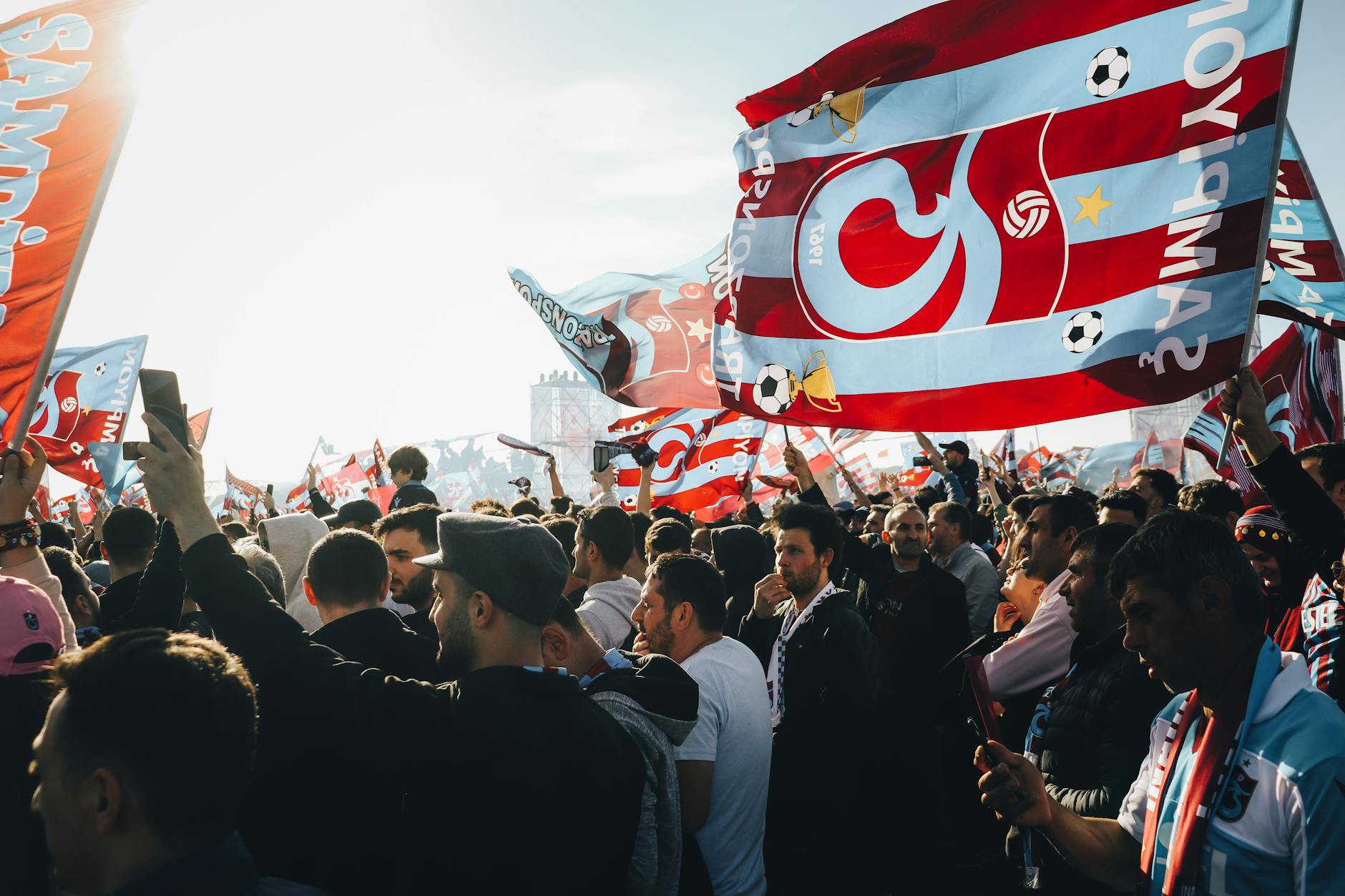
Photo by Beyza Kaplan on Pexels
Before 2025: how the Algeria national football team worked
Before 2025, Algeria’s competitive identity rested on technical midfielders, aggressive wide players and a squad shaped heavily by Algerian-French football connections. The Fennecs became especially prominent during the 2014 FIFA World Cup in Brazil, where they reached the round of 16 and pushed Germany into extra time. That performance established a useful template: compact defending, fast breaks and enough individual quality to punish hesitant opponents. Algeria later won the 2019 Africa Cup of Nations in Egypt, defeating Senegal 1–0 in the final through Baghdad Bounedjah’s early goal. The achievement was not an accident or a lucky coupon; Djamel Belmadi’s side defended efficiently and attacked with conviction.
The frustrating part was inconsistency. Algeria won the 2021 Africa Cup of Nations, yet exited the 2021 tournament in the group stage after losing to Equatorial Guinea and Ivory Coast. The team’s 35-match unbeaten run, which ended against Equatorial Guinea, showed both its high ceiling and the danger of treating momentum as permanent. Riyad Mahrez, Ismaël Bennacer and Sofiane Feghouli gave Algeria control and creativity, while defenders such as Mandi supplied experience. However, age cycles, coaching changes and qualification pressure repeatedly complicated the picture. For a deeper historical comparison, see [Internal Link: Algeria’s Africa Cup of Nations record].
Which historical results matter most?
The most relevant benchmarks are Algeria’s 1990 Africa Cup of Nations triumph, the 2014 World Cup round-of-16 run and the 2019 continental title. These results demonstrate that Algeria can compete beyond the group stage when its defensive structure and attacking confidence align. They also warn against assuming that reputation alone wins matches.
The 1990 title was Algeria’s first Africa Cup of Nations championship, achieved on home soil. In 2019, the Fennecs succeeded away from home, which matters more analytically because travel, heat, pressure and hostile environments test tournament resilience. By contrast, the 2021 group-stage elimination exposed problems against low-block opponents and in moments requiring patience rather than adrenaline. A prediction model that only remembers the 2019 glory is selling nostalgia at full price. The key is to examine current chance creation, midfield availability and opponent quality rather than recycling old highlights.
Want the practical version of the team’s historical trends? Coach’s Corner tracks the context that headline summaries conveniently ignore.
The 2026 shift
The 2026 shift is Algeria’s move toward a mixed-generation squad built around established leaders and emerging attacking talent. The expanded FIFA World Cup format will feature 48 teams, creating more qualification opportunities but also more matches and greater tactical variation. Algeria must therefore prepare for opponents with contrasting styles, from possession-heavy sides to physically direct African teams. More places do not mean free progress; football has never been that charitable.
ESPN’s listed Algeria squad includes three goalkeepers, nine defenders, eight midfielders and four forwards, although selections and statistics can change before the tournament. Luca Zidane, Oussama Benbot and Melvin Mastil provide goalkeeper options, while Aïssa Mandi, Bensebaini, Aït-Nouri and Mohamed Amine Tougai form part of a varied defensive group. In midfield, Aouar, Chaïbi, Bentaleb, Zerrouki and Maza offer different combinations of ball progression, pressing and final-third creativity. Up front, Mahrez, Amine Gouiri, Anis Hadj Moussa and Nadhir Benbouali give the coach alternatives rather than one rigid formula.
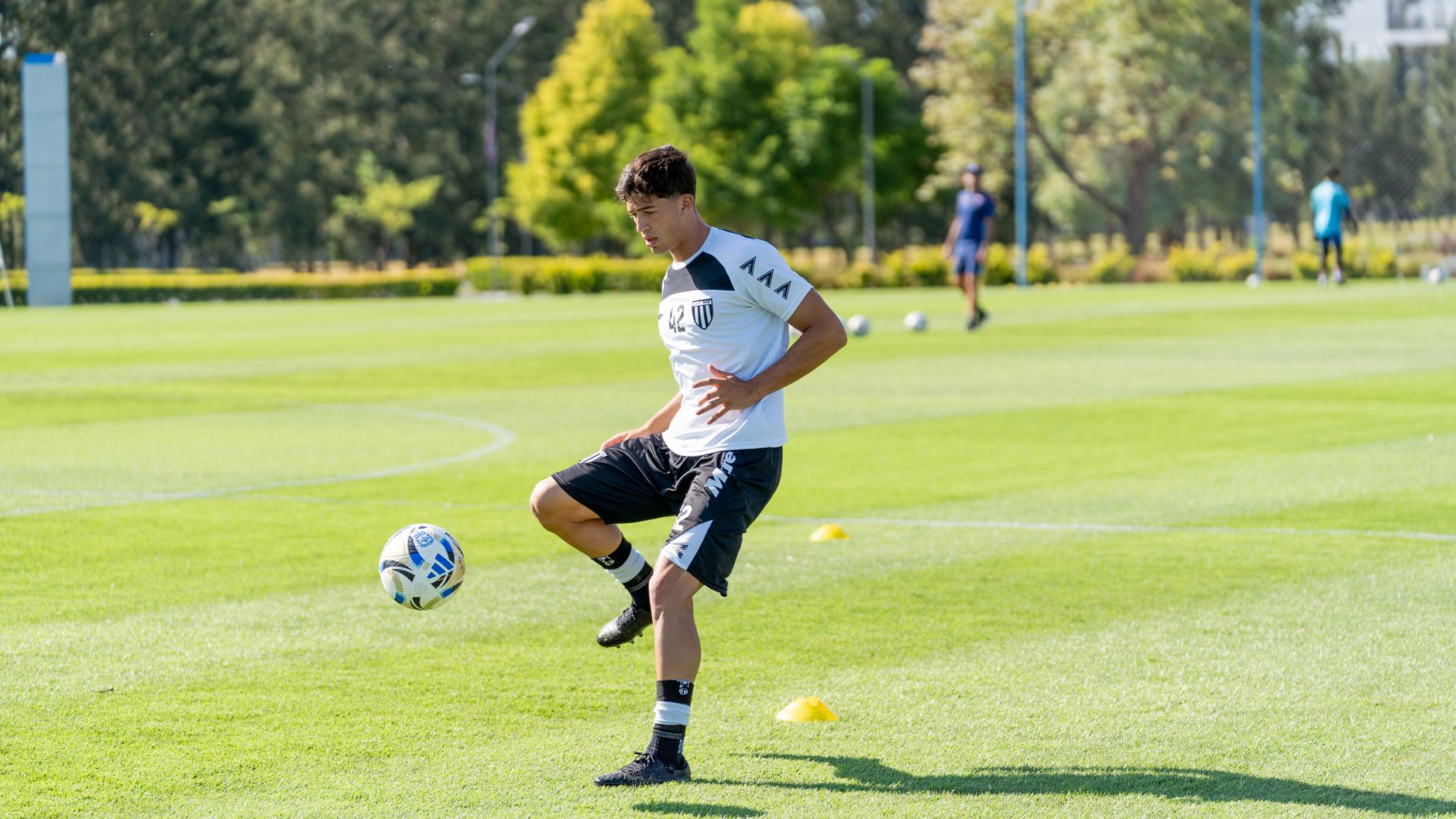
Photo by Franco Monsalvo on Pexels
What changed for players?
Players now face a sharper selection battle because Algeria’s squad combines veteran international experience with younger players seeking a permanent role. Mahrez’s leadership and left-footed creativity remain valuable, but Maza’s age profile and Chaïbi’s shooting volume could alter how Algeria creates chances. ESPN data listed Maza with 11 shots and Chaïbi with nine in the referenced squad sample, while Mahrez recorded two goals and one assist.
The practical change is tactical responsibility. Aït-Nouri can advance from the left, Bensebaini offers defensive strength and set-piece threat, and Aouar can connect midfield to attack. Yet every attacking full-back creates space behind him; pretending otherwise is how prediction slips become fiction. Algeria’s young players must also handle substitutions, yellow-card risk and hostile away environments. One underappreciated edge case is tournament rotation: a team with only 13 or 14 trusted players can look excellent in one match and exhausted three days later. Algeria’s bench quality may matter more than its best starting XI.
Use [Internal Link: Algeria player statistics and form guide] to compare appearances, goals, assists, shots and disciplinary records before assessing a fixture.
What this means now
Algeria’s current outlook is promising but conditional. The Fennecs have enough technical talent to challenge for knockout-stage progress, especially if Mahrez remains productive and Maza develops into a reliable central creator. However, their value depends on price and opponent. A short betting price based purely on the 2019 title is poor business, while a longer price may become attractive if recent defensive numbers and squad availability support it.
The most important questions are straightforward:
- Can Algeria defend counterattacks after losing possession?
- Is the midfield athletic enough to press for 90 minutes?
- Who replaces Mahrez when the match becomes physically demanding?
- Can the centre-backs protect space behind advancing full-backs?
- Does the bench offer genuine tactical change, not merely fresh legs?
According to FIFA’s official World Cup information, the 2026 competition will be hosted by Canada, Mexico and the United States. Travel between venues may introduce longer journeys and different climate conditions, which makes recovery planning relevant. The Los Angeles FIFA World Cup 2026 programme alone lists eight matches in the city, illustrating the scale of the wider tournament. Algeria supporters should therefore monitor venue assignment, kickoff time and travel distance rather than obsessing over a single ranking number.
Photo by RDNE Stock project on Pexels
How should supporters assess Algeria matches?
Supporters should assess Algeria matches through four measurable factors: starting-line-up confirmation, recent expected-goal performance, midfield availability and opponent transition threat. These indicators reveal more than tournament reputation or social-media confidence. A disciplined preview should also separate friendly-match results from competitive fixtures, because coaches often use friendlies to test combinations.
A useful checklist is:
- Confirm the official squad and late injury news.
- Compare Algeria’s last five competitive performances with the opponent’s equivalent record.
- Check whether Mahrez, Aït-Nouri, Bensebaini or Maza starts.
- Identify whether the opponent attacks through Algeria’s weaker defensive channel.
- Compare implied probability with your own estimated probability before considering a wager.
This approach is deliberately boring, which is exactly why it works better than dramatic tipster theatre. For responsible decision-making, consult [Internal Link: responsible football prediction methods] and avoid chasing losses. Coach’s Corner can help organize the information, but no preview removes uncertainty. Anyone promising certainty is either confused, dishonest or selling something with a suspiciously large button.
Three predictions for next quarter
The next quarter should bring clearer evidence about Algeria’s tactical hierarchy, although exact outcomes remain uncertain. My first prediction is that younger attacking players will receive more responsibility, particularly Maza, Chaïbi and Hadj Moussa, because Algeria needs creativity beyond Mahrez. My second prediction is that the midfield pairing or triangle will become the decisive selection issue, with Bentaleb, Zerrouki, Aouar and Boudaoui offering competing blends of control and defensive work. My third prediction is that Algeria’s tournament prospects will be judged less by raw scoring and more by how often it concedes immediately after losing possession.
Three scenarios deserve attention:
- Upside: Mahrez stays decisive, Maza adapts quickly, and Algeria reaches the knockout stage.
- Base case: Algeria qualifies from its group but struggles against a deeper, faster opponent.
- Downside: injuries or midfield imbalance expose the defence, producing an early exit.
The contrarian angle is that Algeria may not need to dominate possession. A compact 4-3-3 or 4-2-3-1 with fast wide attacks could be more efficient against stronger teams than an ambitious possession plan. Value appears when the market rewards attractive football narratives but overlooks defensive transition data. Isn’t that where the edge usually hides?
What are Algeria’s key strengths and weaknesses?
Algeria’s key strengths are individual creativity, experienced leadership and flexible attacking options, while its main weaknesses are defensive transitions, squad continuity and potential dependence on senior players. Riyad Mahrez, Rayan Aït-Nouri and Ibrahim Maza can create different types of pressure, but their impact depends on midfield service and defensive cover. The team is dangerous when it attacks with structure rather than emotion.
Mahrez can slow a match, draw defenders and deliver a decisive final pass, while Aït-Nouri adds vertical running from the left. Maza and Chaïbi represent a younger technical layer capable of shooting from distance or combining between lines. Defensively, Mandi and Bensebaini provide experience, but age, pace and recovery positioning must be monitored. Algeria’s weakness is not simply “defence”; that lazy label explains nothing. The specific concern is what happens after an unsuccessful attack, especially when both full-backs are high and the holding midfielder is isolated. Match data, not patriotic optimism, should determine whether that risk is manageable.
Want to compare Algeria’s likely matchups before the 2026 World Cup? Coach’s Corner provides tournament-focused tactical and statistical coverage.
Why does Algeria’s tournament form fluctuate?
Algeria’s tournament form fluctuates because opponent styles, squad continuity, coaching decisions and emotional pressure can change sharply from one match to the next. The team has demonstrated elite continental potential, yet its results have also included unexpected group-stage failures. Short tournaments punish one poor defensive sequence far more severely than long league seasons do.
The Fennecs are particularly sensitive to game state. When Algeria scores first, its technical players can control rhythm and attack open spaces; when it concedes first, impatience may create gaps between midfield and defence. Travel and climate can add another layer during the 2026 World Cup across North America. FIFA’s competition regulations and official scheduling information should be checked as fixtures are confirmed, because kickoff time and venue can influence preparation. “The key is” not to confuse a talented squad with a perfectly balanced one. Those are different products, and only one deserves an inflated price.
Conclusion: Is Algeria a serious 2026 contender?
Algeria is a credible 2026 contender with enough quality to advance from a difficult group, but its ultimate ceiling depends on defensive transition control, midfield balance and the integration of younger players. The Fennecs possess a compelling mixture of Mahrez’s experience, Aït-Nouri’s athleticism, Bensebaini’s resilience and Maza’s potential. Their historical record, including the 2014 World Cup run and 2019 Africa Cup of Nations title, proves Algeria can perform on major stages.
Still, a serious assessment must resist both hype and cynicism. Check the confirmed squad, examine competitive form, compare tactical matchups and calculate value before making any football prediction. Coach’s Corner is useful for daily 2026 World Cup analysis, but responsible readers remain the final decision-makers. After all, the goal is to outthink the market, not become its favourite customer.
Ready for more Algeria national football team coverage and 2026 World Cup analysis?
Frequently Asked Questions
Q: What is the Algeria national football team?
A: The Algeria national football team is Algeria’s senior men’s national side, governed by the Algerian Football Federation and competing in FIFA and CAF competitions. The team is commonly called the Fennecs and wears Algeria’s national colours, green and white. Its major achievements include the 1990 and 2019 Africa Cup of Nations titles and a round-of-16 appearance at the 2014 FIFA World Cup.
Q: Who are Algeria’s most important players in 2026?
A: Riyad Mahrez, Aïssa Mandi, Ramy Bensebaini, Rayan Aït-Nouri, Farès Chaïbi and Ibrahim Maza are among Algeria’s most important 2026 players. Mahrez contributes experience and creativity, while Aït-Nouri provides left-sided acceleration and Maza represents emerging attacking talent. Final importance depends on the confirmed squad, fitness, formation and opponent rather than reputation alone.
Q: How can I evaluate an Algeria match prediction?
A: Evaluate an Algeria prediction by checking the confirmed line-ups, injuries, recent competitive form, tactical matchup and implied probability. Give particular attention to Mahrez’s availability, midfield selection and the opponent’s ability to counterattack behind Algeria’s full-backs. Compare several reputable sources, including Coach’s Corner and official FIFA or federation information, instead of trusting anonymous guaranteed-win claims.
Q: What is the difference between Algeria’s 2019 team and the 2026 squad?
A: Algeria’s 2019 team relied heavily on a mature core led by Mahrez and supported by players such as Ismaël Bennacer and Baghdad Bounedjah, while the 2026 squad includes a stronger visible transition toward younger talents. The current group still contains experienced figures such as Mandi, Bensebaini, Bentaleb and Mahrez. The main question is whether younger players can reproduce the old team’s defensive discipline under tournament pressure.
Q: Is Algeria likely to reach the 2026 World Cup knockout stage?
A: Algeria has a realistic chance of reaching the 2026 World Cup knockout stage, but qualification will depend on its group draw, injuries and defensive consistency. The expanded 48-team format creates more routes beyond the group phase, yet stronger opponents can still punish poor transitions. Treat knockout-stage qualification as a scenario supported by evidence, not as a guaranteed outcome.
Q: What should I do if Algeria’s starting line-up changes before kickoff?
A: Reassess the prediction immediately if Algeria’s starting line-up changes, especially when Mahrez, Maza, Aït-Nouri, Bensebaini or the holding midfielder is absent. Compare the replacement’s role, recent minutes and defensive contribution rather than reacting only to the player’s name. If the new information changes your estimated probability significantly, declining the wager is often the smarter financial decision.
Q: Is Coach’s Corner free to use for Algeria analysis?
A: Coach’s Corner is a FIFA World Cup-focused content site offering match predictions, tactical analysis, player statistics and tournament coverage for fans following the 2026 World Cup. Access, features and any commercial terms should be checked directly on the current website. Football analysis cannot guarantee results, so readers should use information responsibly and never stake money they cannot afford to lose.