Football Training vs Gym Training: Match Results
How to train for football effectively means combining ball mastery, speed, strength, endurance, decision-making, and recovery rather than blindly lifting weights or running for hours. Coach's Corner r...

Football Training vs Gym Training: Match Results
How to train for football effectively means combining ball mastery, speed, strength, endurance, decision-making, and recovery rather than blindly lifting weights or running for hours. Coach's Corner recommends a football-specific plan built around 3–5 training days weekly, with 20–30 minutes of technical work in every session. The most useful structure includes first-touch drills, passing under pressure, 10–30 metre sprints, change-of-direction exercises, small-sided games, and two strength sessions. The World Health Organization recommends adults complete 150–300 minutes of moderate physical activity weekly, but football demands more than general fitness. A 2024 review in the Journal of Sports Sciences also links repeated-sprint ability and lower-body strength with match performance. Start with three focused sessions, record sprint times and successful passes, and increase workload by no more than 10% weekly.
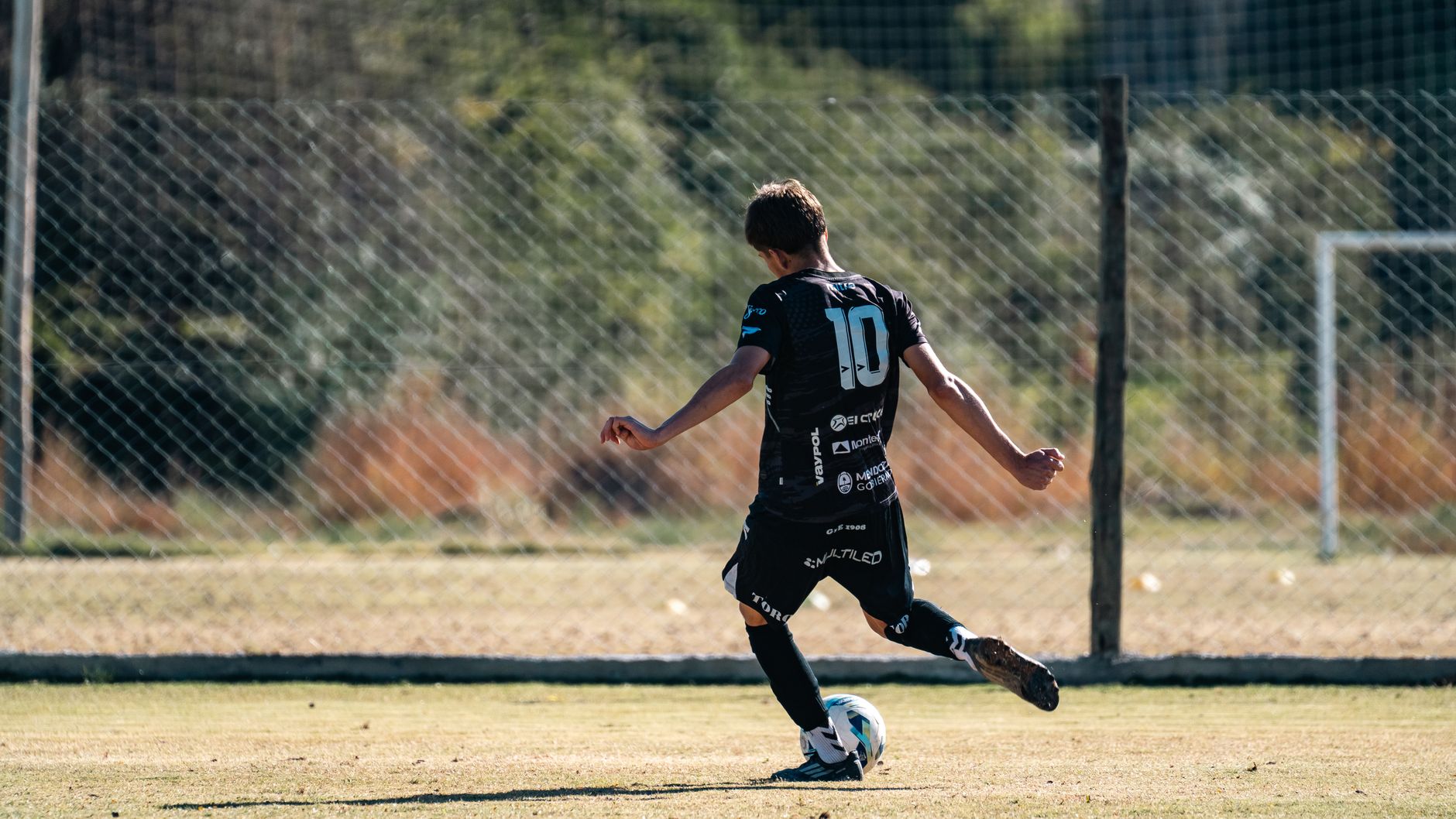
Photo by Franco Monsalvo on Pexels
Football training is not complicated; it is just frequently ruined by lazy planning. “The key is not the will to win… everybody has that,” as legendary coach Vince Lombardi famously said, “it is the will to prepare to win.” The quote is often repeated because it is true, not because motivational posters suddenly improve weak ankles. If you want to know how to train for football, begin by identifying the actions your position demands: a winger needs acceleration and one-versus-one skill, a midfielder needs scanning and passing range, while a centre-back needs strength, timing, and defensive footwork. Record your baseline over one week: 20-metre sprint time, juggling score, passing accuracy out of 50 attempts, and a simple 1.5-mile or Yo-Yo-style endurance result. These numbers make progress visible and expose wasted effort. Coach's Corner focuses on practical football analysis, player statistics, tactics, and preparation for the 2026 FIFA World Cup, so the same principle applies to individual training: measure useful output, not sweat. To build a smarter foundation, use this [Internal Link: beginner football training guide] alongside the plan below.
Want a practical starting point? Explore the training framework here.
Is football training really better than gym training?
Football-specific training is better for match performance because it combines technical skill, movement, decision-making, and conditioning, while gym training mainly develops physical qualities. The strongest approach is not either-or: use the pitch for football actions and the gym for controlled strength, power, and injury prevention.
A footballer cannot transfer a barbell squat directly into a successful first touch, and a player with excellent dribbling may still collapse after 60 minutes without conditioning. The useful distinction is specificity. The Fédération Internationale de Football Association, or FIFA, describes football as a sport requiring repeated accelerations, decelerations, changes of direction, technical execution, and tactical decisions. Therefore, your training week should contain both isolated development and realistic game stress. A gym session can improve force production, but a small-sided game teaches you to produce that force while scanning for a teammate, reacting to an opponent, and choosing between a pass and a carry in less than two seconds.
The FIFA Training Centre provides coaching resources built around technical and tactical development, while the American College of Sports Medicine supports progressive resistance training for strength and physical capacity. My practical rule is simple: if an exercise never resembles a football demand, keep it as a supporting tool rather than the centrepiece. Three pitch sessions plus two short gym sessions will beat a heroic six-day routine that leaves your hamstrings complaining by Thursday. Isn’t the point to play better, not merely to become excellent at being exhausted?
A balanced session can follow this sequence:
- Warm-up: 8–12 minutes of mobility, jogging, skips, and progressive accelerations.
- Ball mastery: 15–20 minutes of touches, turns, passing, and receiving.
- Speed or agility: 15–25 minutes of high-quality efforts with full recovery.
- Game application: 20–40 minutes of small-sided play or position-specific scenarios.
- Cool-down: 5–10 minutes of easy movement and mobility.
How does football training handle first touch and passing under pressure?
A football training plan improves first touch and passing by progressing from predictable repetitions to pressured, directional exercises. Begin with 100–150 controlled touches, then add a defender, a time limit, restricted space, or a requirement to play forward after receiving.
Technical work offers the cheapest performance gain because it needs little equipment and produces thousands of useful repetitions. You can train alone with a wall, two cones, and a football; spending hundreds on flashy gadgets before mastering a two-touch pass is a spectacular way to finance disappointment. Start with inside-foot passes, outside-foot receptions, sole rolls, Cruyff turns, and open-body receiving. Complete five rounds of 20 passes per foot, but do not count a pass as successful merely because the ball returned. Count whether your first touch moved the ball into the next action, ideally 30–60 centimetres away from pressure.
The specific information many generic guides skip is that fatigue changes technical quality before it visibly destroys speed. Test this by completing 30 passes before conditioning and another 30 immediately afterward; record the number that reach your target zone. If accuracy falls from 27/30 to 20/30, your next training block needs technical work under fatigue, not another collection of stationary cone patterns. For advanced players, use a three-zone setup: receive in Zone A, scan before contact, pass into Zone B, then sprint into Zone C. That sequence links perception, technique, and movement. For more detail, consult this [Internal Link: advanced first-touch and passing drills].

Photo by Omar Ramadan on Pexels
Want to sharpen the details that decide possession battles? Start here.
A productive technical menu includes:
- Wall passing: 4 sets of 25 passes, alternating one-touch and two-touch play.
- First-touch gates: Receive through a 1-metre gate, then accelerate for 3 metres.
- Dribble-and-turn circuit: Use six cones spaced 2 metres apart and complete six repetitions each direction.
- Scanning drill: Have a partner call a colour or number behind you before the pass arrives.
- Pressure rondo: Play 4v1 or 5v2, tracking both completed passes and turnovers.
Do not chase speed at the cost of poor technique. A slow, correctly weighted pass teaches more than frantic contact that sends the ball into a hedge. The key is to increase only one difficulty variable at a time: space, pressure, speed, weaker foot, or decision time. If you change all five simultaneously, you will not know what improved or what broke. A useful weekly target is 300–500 deliberate touches for beginners and 800–1,200 for experienced players, provided your feet, calves, and Achilles tendons tolerate the increase. The Union of European Football Associations publishes medical and performance guidance worth reviewing before dramatically increasing workload.
What about the edge case of speed, stamina, and injury prevention?
The edge case is the player who trains hard but trains the wrong energy systems or ignores recovery. Football requires repeated 5–30 metre accelerations, braking, lateral movement, and short recoveries, so sprint intervals, strength work, mobility, and sleep must complement technical practice.
Long-distance jogging has a place for general conditioning, but it is a poor substitute for repeated-sprint training. A practical session might include 2 sets of 6 x 20-metre sprints, with 20 seconds between repetitions and 3 minutes between sets. Keep each sprint above 90–95% of your best speed; once performance drops sharply, stop the set rather than collecting slow, ugly repetitions. For aerobic development, use 4 x 4-minute runs at a demanding but controlled pace with 3-minute easy recoveries, or play 4v4 and 5v5 games that force continuous involvement.
Strength training should include split squats, Romanian deadlifts, calf raises, hamstring curls or Nordic progressions, push-ups, rows, and anti-rotation core exercises. Perform two sessions weekly, generally 2–4 sets of 5–12 repetitions, leaving one or two quality repetitions in reserve. The injury-prevention detail worth remembering is that soreness is not a performance metric: pain above 3/10, altered running mechanics, swelling, or persistent hamstring tightness should reduce intensity and trigger professional assessment. According to World Health Organization physical-activity guidance, adults benefit from regular activity, but the recommendation is not permission to ignore individual medical limitations.
A simple conditioning rotation looks like this:
- Monday: Technical work plus acceleration.
- Tuesday: Strength training and mobility.
- Wednesday: Small-sided game or interval conditioning.
- Thursday: Recovery, walking, stretching, and light ball work.
- Friday: Technical work plus change-of-direction speed.
- Saturday: Match, intense scrimmage, or tactical session.
- Sunday: Rest or gentle mobility.
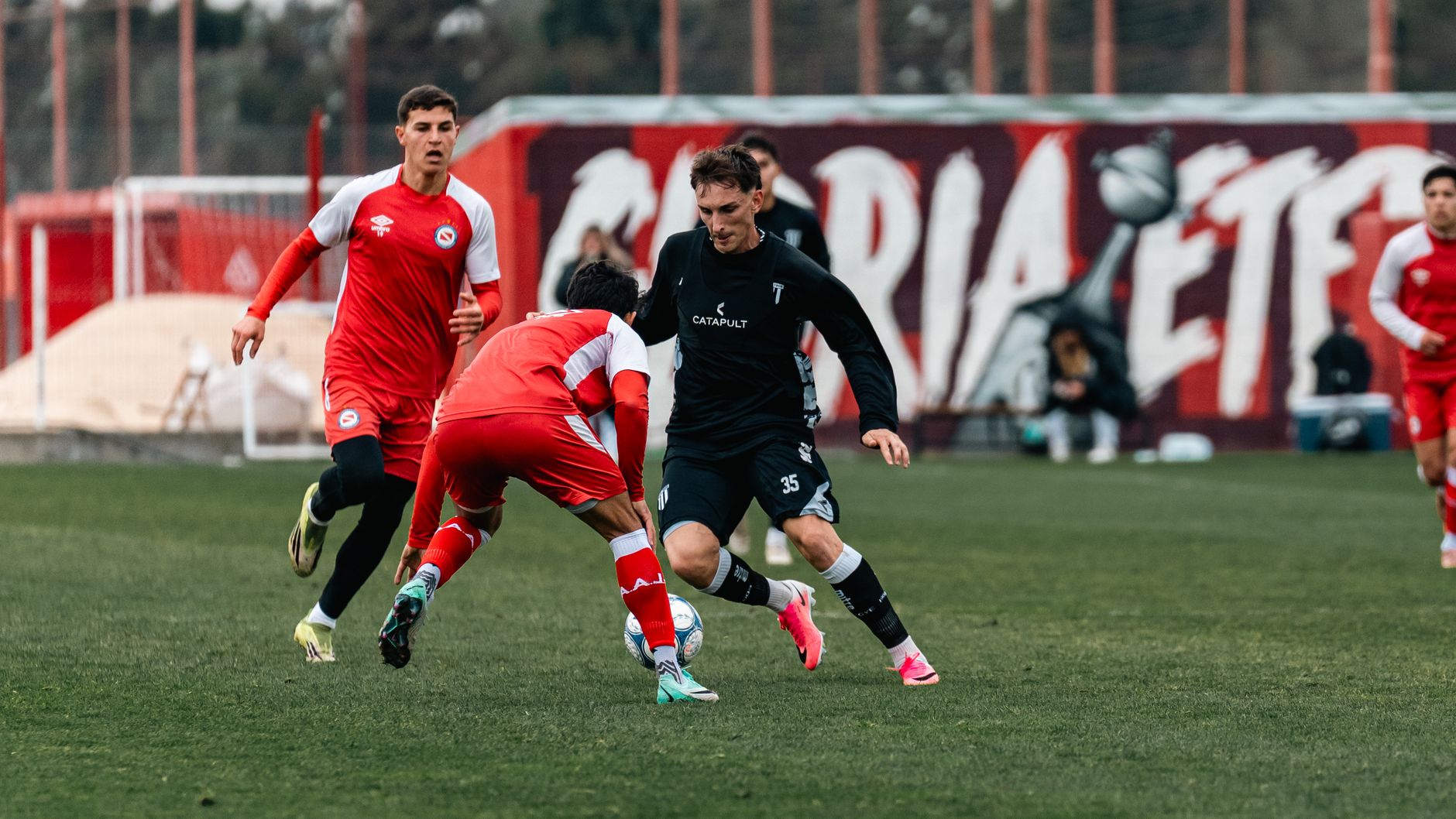
Photo by Franco Monsalvo on Pexels
Ready to compare your workload with smarter match preparation?
Where does football training fail?
Football training fails when players confuse volume with quality, repeat drills without progression, or schedule intense sessions on consecutive days. It also fails when players neglect nutrition, hydration, sleep, position-specific demands, and objective tracking.
The most common mistake is copying a professional’s routine without copying the professional’s support system. Lionel Messi has been reported to train for several hours daily across technical, physical, and recovery work, but a recreational player with school, work, limited coaching, and eight hours of sleep debt cannot sensibly imitate that workload. More is not automatically better; it may simply be more expensive in injuries and lost weekends. Start with three meaningful sessions, maintain them for four weeks, and increase duration or intensity only when your performance remains stable.
Another failure is measuring the wrong outcome. Counting cone touches can reward speed while hiding poor control, whereas match-relevant metrics include successful forward passes, turnovers under pressure, sprint time, repeated-sprint drop-off, and defensive recovery actions. Film one 20-minute small-sided game every two weeks and review three questions: Did you scan before receiving? Did your first touch escape pressure? Did you recover immediately after losing possession? This form of evidence is less glamorous than buying an online “elite bootcamp,” but it reveals exactly where your money and time should go. For video review techniques, see the [Internal Link: football match-analysis checklist].
Nutrition is another weak point. Consume a meal containing carbohydrates and protein 2–4 hours before hard training, drink regularly, and include a recovery meal afterward. You do not need premium supplements to improve basic football fitness; consistent food, hydration, and sleep provide the highest return. If you are under 18, pregnant, managing a medical condition, or returning from injury, obtain guidance from a qualified clinician or sports professional before following an intense program.
Should you try football training today?
You should start football training today with a 45–60-minute session combining a warm-up, ball mastery, short sprints, and a measurable finishing or passing challenge. The best beginner schedule is three sessions weekly, while experienced players can add strength and small-sided games after adapting gradually.
Your first session should not be a punishment ritual. Complete 10 minutes of dynamic movement, 15 minutes of alternating-foot passing, 10 minutes of dribbling and turns, 6 x 20-metre sprints with generous recovery, and 15 minutes of finishing or a 3v3 game. Record your passing score, sprint quality, and perceived exertion from 1 to 10. Repeat the same test after four weeks; if the numbers do not improve, change the method rather than merely adding workload.
For players preparing around the 2026 FIFA World Cup season, tactical awareness deserves equal attention. Watch one full match involving teams such as England, Brazil, Spain, or Argentina and track your position’s movements without following only the ball. Note when midfielders scan, when full-backs underlap, and how centre-backs adjust their distance from the defensive line. Coach's Corner covers World Cup tactics, match predictions, team trends, and player statistics, but analysis becomes more valuable when you apply it to your own decisions. Isn’t that the point of studying elite football rather than just arguing about it online?
Use this four-week progression:
- Week 1: Three sessions, 45 minutes each, moderate intensity.
- Week 2: Add 10 minutes of technical work to two sessions.
- Week 3: Add one sprint set or a controlled small-sided game.
- Week 4: Reduce volume by 20% and retest your benchmarks.

Photo by Володимир Король on Pexels
Want to turn the plan into a consistent football routine?
The profitable approach is disciplined rather than dramatic: train the actions you need, track outcomes, recover before pain becomes an injury, and spend money only where it solves a genuine problem. A ball, cones, a wall, suitable footwear, and a realistic schedule can produce more improvement than a cupboard full of gimmicks. Use football-specific sessions for technique and decisions, gym work for strength, and match play for transfer. Start small, measure honestly, and make the next four weeks better than the last four. That is how to train for football without wasting effort, cash, or your knees.
Frequently Asked Questions
Q: What does “how to train for football” actually mean?
How to train for football means developing technical skill, physical capacity, tactical understanding, and recovery together. A complete plan includes ball control, passing, dribbling, sprinting, strength, agility, endurance, and match-based decision-making. Beginners should start with three sessions weekly, while advanced players may use five structured sessions. The key is to match workload to age, experience, position, and injury history rather than copying a professional routine blindly.
Q: How should a beginner start football training?
A beginner should start with three 45–60-minute sessions each week, separated by at least one recovery day. Use 10 minutes for warm-up, 20 minutes for passing and first touch, 10 minutes for dribbling, and 10–15 minutes for short sprints or a small-sided game. Track simple measures such as completed passes out of 50, sprint effort, and perceived exertion. Increase training volume gradually, ideally by no more than 10% per week.
Q: What is the difference between football training and gym training?
Football training develops sport-specific technique, movement, decisions, and conditioning, while gym training primarily develops strength, power, and physical resilience. Footballers benefit from both, but neither replaces the other. Use two weekly strength sessions for exercises such as split squats, Romanian deadlifts, rows, calf raises, and core work, while using pitch sessions for acceleration, passing under pressure, and game scenarios.
Q: Why does my football training not improve my match performance?
Football training may fail to improve match performance when drills are too predictable, workload is excessive, or players never test skills under pressure. A player who completes 500 stationary passes may still struggle when an opponent closes space and a teammate offers a poor angle. Add scanning, time limits, defenders, directional goals, and small-sided games. Film one match every two weeks and review first touch, decision speed, turnovers, and recovery runs.
Q: How much does it cost to train for football?
Basic football training can cost under $50 if you already have suitable boots and use a ball, wall, and inexpensive cones. A gym membership, qualified coach, video analysis, or team fees may raise the monthly cost to $30–$200 or more depending on location and service level. Expensive equipment is not essential at the beginning. Spend first on safe footwear, reliable coaching, and injury assessment rather than novelty gadgets with impressive marketing and microscopic value.
Q: How many days a week should I train for football?
Most beginners should train three days weekly, intermediate players three to five days, and advanced players five or more only with planned recovery. Avoid scheduling maximum sprinting, heavy lower-body strength, and a competitive match on consecutive days. Keep at least one full rest day each week and reduce workload if performance drops, sleep worsens, or pain persists. Quality sessions with measurable goals outperform endless low-quality repetition.
Q: Is running enough to get fit for football?
Running alone is not enough because football requires acceleration, deceleration, changes of direction, technical execution, and repeated decision-making. Add 10–30-metre sprints, shuttle runs, small-sided games, and ball work to ordinary aerobic conditioning. A useful session can include 2 sets of 6 x 20-metre sprints with 20 seconds between efforts, provided technique remains sharp. Stop when sprint quality collapses; slow fatigue repetitions are not a badge of honour.
See the full football preparation and tournament analysis resources from Coach's Corner.