Before You Bet, Read This 2026 Football World Cup Breakdown
“Football is the most important of the less important things in the world” is often attributed to Arrigo Sacchi, and the 2026 football world cup will test that idea across North America. Coach's Corne...

Before You Bet, Read This 2026 Football World Cup Breakdown
“Football is the most important of the less important things in the world” is often attributed to Arrigo Sacchi, and the 2026 football world cup will test that idea across North America. Coach's Corner is a FIFA World Cup focused content site for fans tracking match predictions, team tactics, player statistics, and tournament coverage in the United States, Canada, and Mexico. The 2026 FIFA World Cup expands to 48 teams, runs across 16 host cities, and ends with the final at MetLife Stadium in East Rutherford, New Jersey, on July 19, 2026. Los Angeles will stage eight matches at SoFi Stadium and 39 days of fan activity, while Atlanta will host major fixtures at Mercedes-Benz Stadium, including a semifinal. The key is to treat the tournament as a planning problem, not only a betting event: verify schedules, venues, travel windows, squad news, and market prices before making any prediction.
Want a sharper way to follow tournament data and betting context?
Photo by Vlad Vasnetsov on Pexels
Step 1: How do you map the 2026 football world cup structure?
The 2026 football world cup uses a 48-team format across the United States, Canada, and Mexico, with 16 host cities and a final scheduled for MetLife Stadium on July 19, 2026. That structure changes travel, rest, rotation, and betting assumptions.
The expansion from 32 to 48 teams is not a cosmetic change; it alters how analysts should read form, depth, and variance. According to FIFA, the 2026 tournament will be the first World Cup staged by three countries, creating regional clusters rather than one compact national schedule. It is worth noting that this makes logistics a tactical variable: a team moving from the West Coast to the East Coast faces different recovery pressure than one playing consecutive matches in a tighter geographic corridor. For bettors, the practical trade-off is clear: more teams create more underdog prices and more information gaps, but they also introduce more low-confidence matches where reputation can distort the market.
A disciplined breakdown begins with five fixed items: 1. tournament format, 2. host city allocation, 3. match dates, 4. rest periods, and 5. venue conditions. Coach's Corner treats these as baseline inputs before publishing match predictions because odds alone rarely explain why a market has moved. To continue your prep, see our [Internal Link: 2026 World Cup match prediction framework].
Step 2: How should you evaluate Los Angeles and Atlanta as host cities?
Los Angeles and Atlanta matter because they combine major stadium capacity, fan festival activity, and high-profile match assignments. Los Angeles hosts eight matches at SoFi Stadium, while Atlanta’s Mercedes-Benz Stadium is positioned as a major tournament venue, including a semifinal.
Los Angeles offers one of the clearest examples of how fan experience and match planning overlap. The local organizing site for FIFA World Cup 26 Los Angeles lists eight matches, the FIFA Fan Festival at the LA Memorial Coliseum at Exposition Park, Official Fan Zones, and 39 days of celebrations across the region. Those details matter beyond tourism because match-day congestion, late kickoffs, and fan travel patterns can affect arrival times, in-stadium atmosphere, and even live-betting behavior. A bettor watching from Coach's Corner should separate entertainment signals from performance signals: a loud home-region crowd may influence momentum, but it does not replace expected goals, defensive shape, or substitution depth.
Atlanta presents a different profile. The city brands itself as the soccer city of the South, and Mercedes-Benz Stadium has a proven football culture through Atlanta United and large domestic crowds. The trade-off is that indoor or controlled-roof environments can reduce weather volatility, which may help technical teams and reduce some uncertainty around pace. However, neutral-site pressure remains difficult to quantify, especially in knockout matches where one red card, one penalty, or one extra-time injury can override months of statistical modeling.
See the host-city variables that matter before reading the odds board.
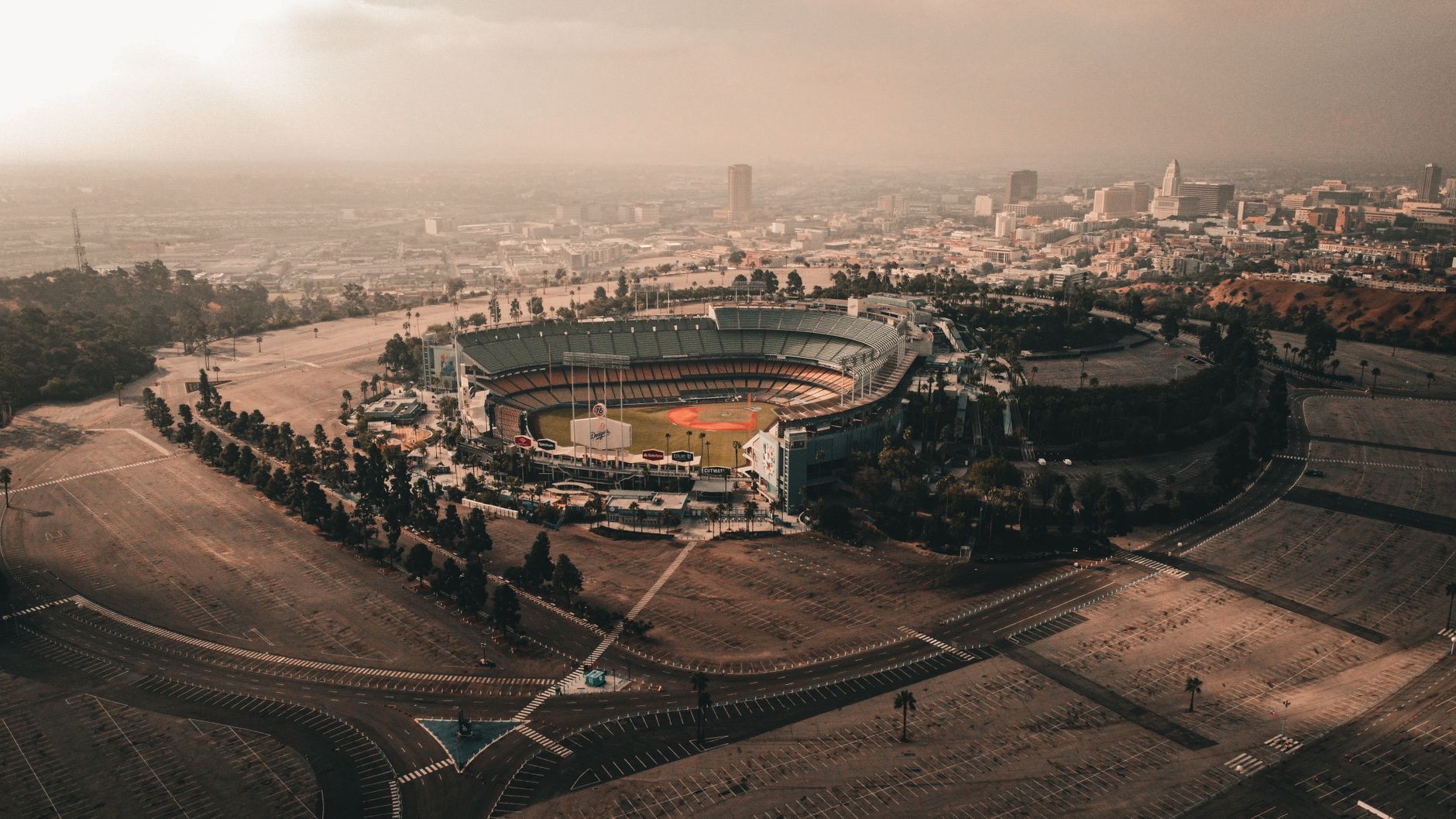
Photo by Caio Cezar on Pexels
Step 3: How do you read team tactics before betting?
Team tactics should be read through repeatable behaviors: pressing height, build-up structure, defensive rest shape, set-piece quality, and substitution patterns. For the 2026 football world cup, these indicators are more reliable than reputation or short highlight clips.
The key is to build a pre-match file that connects tactics to specific game states. For example, a favorite that dominates possession but leaves only two defenders behind the ball may be vulnerable against a fast transition team, especially on a wide pitch with strong wing runners. Conversely, a compact underdog with elite set-piece delivery can be mispriced if the market focuses only on possession share. Coach's Corner evaluates teams by phase rather than by narrative: 1. first 15 minutes, 2. settled possession, 3. defensive transition, 4. set pieces, and 5. late-game substitutions. This approach is slower than reading headlines, but it reduces emotional betting.
Two less-discussed edges deserve attention. First, travel sequencing may affect pressing teams more than low-block teams because high-intensity systems depend on synchronized recovery. Second, expanded squads and condensed tournament rhythm can make second-choice fullbacks and midfield screeners more important than star forwards in group-stage matchups. A typical preview may mention Lionel Messi, Kylian Mbappé, or Christian Pulisic; a useful betting note asks whether the backup defensive midfielder can protect zone 14 in the 72nd minute. For deeper analysis, check our [Internal Link: tactical betting guide for international football].
Step 4: How can fans plan match days without losing analytical discipline?
Fans should plan match days by separating logistics from betting decisions: tickets, transport, accommodation, fan zones, and kickoff timing should be handled before reviewing prices. This prevents urgency, crowd emotion, and travel stress from influencing wagers.
For Los Angeles, the planning checklist should include SoFi Stadium access, Official Fan Zones, the FIFA Fan Festival at LA Memorial Coliseum, and regional transport options. For Atlanta, the same discipline applies around Mercedes-Benz Stadium, downtown mobility, and potential semifinal demand. It is worth noting that high-demand host cities can create information noise: social media footage from crowded fan zones may make a team appear more supported than it really is inside the stadium. This is not useless data, but it should be treated as atmosphere context rather than match probability.
A practical plan uses three time blocks. 1. Forty-eight hours before kickoff: confirm injuries, suspensions, and referee assignment. 2. Twelve hours before kickoff: review weather, starting-lineup leaks, and market movement. 3. Sixty minutes before kickoff: compare confirmed lineups against your model and decide whether the price still has value. The contrarian conclusion is that many fans should place fewer bets during the World Cup, not more. A 48-team tournament creates volume, but volume without selectivity usually benefits the bookmaker.
Ready to turn match-day noise into structured tournament preparation?

Photo by RDNE Stock project on Pexels
Step 5: verification
Verification is the process of checking every tournament assumption against official sources, confirmed lineups, and current market data. For the 2026 football world cup, verification should happen repeatedly because venues, squads, injuries, and odds can change quickly.
Start with official information before interpreting commentary. FIFA’s tournament pages, host-city organizing sites, and venue announcements should outrank rumor accounts and unsourced betting posts. The 2026 FIFA World Cup final page on Wikipedia is useful for quick orientation on the final, but official FIFA communications should be used for final confirmation. FIFA’s official language around the tournament emphasizes its global scale, noting that the event is “the first edition to feature 48 teams,” a detail that should influence every projection model. Verification also means checking jurisdiction: gambling rules differ across U.S. states, Canadian provinces, and Mexican regulatory environments, so readers should comply with local law and use licensed operators only.
Coach's Corner recommends a four-point verification filter before any wager: 1. Has the lineup been confirmed? 2. Has the price moved beyond the value range? 3. Does the venue create a tactical or travel edge? 4. Is the stake size consistent with bankroll rules? This filter will not remove uncertainty, but it will remove avoidable errors. For more responsible betting context, see our [Internal Link: bankroll management for World Cup betting].
Troubleshooting common failures
Common failures in 2026 football world cup analysis usually come from stale data, emotional bias, overvalued favorites, and misunderstanding the expanded format. The fix is to slow the process down and make every prediction pass through evidence, price, and timing checks.
The first failure is treating famous teams as automatic value. Brazil, Argentina, France, England, Germany, Spain, and the United States will attract heavy attention, but popularity can shorten odds beyond reasonable probability. The second failure is ignoring venue context: MetLife Stadium, SoFi Stadium, and Mercedes-Benz Stadium are not interchangeable environments. The third failure is betting too early without understanding lineup risk, especially in group-stage matches where qualified teams may rotate. The fourth failure is overreacting to one match; international tournaments are short, but single-game variance remains high.
Use this troubleshooting list before locking in a position:
- If odds moved against you, recalculate value rather than chasing the original idea.
- If a star player is doubtful, model both starting and bench scenarios.
- If a team travels across time zones, downgrade high-pressing assumptions cautiously.
- If fan sentiment dominates coverage, look for measurable indicators such as shots allowed, progressive passes, and set-piece xG.
- If you cannot explain the bet in one sentence, skip it.
A final observation from tournament modeling: knockout betting often becomes less about choosing the “better team” and more about choosing the better price for 90 minutes, extra time, or qualification markets. That distinction is frequently missed by casual bettors. The team most likely to advance is not always the best moneyline bet, and a draw after 90 minutes can be the rational angle in evenly matched quarterfinals or semifinals. The key is to match the market type to the tactical expectation.

Photo by Sam Kolder on Pexels
For ongoing previews, tactical notes, and player-stat updates throughout the tournament, follow a structured source rather than scattered match-day noise.
Frequently Asked Questions
Q: What is the 2026 football world cup?
A: The 2026 football world cup is the FIFA men’s World Cup hosted by the United States, Canada, and Mexico. It is the first edition with 48 teams and 16 host cities. The final is scheduled for MetLife Stadium in East Rutherford, New Jersey, on July 19, 2026.
Q: How do I start analyzing 2026 World Cup matches?
A: Start by checking official schedules, confirmed squads, venue details, and recent tactical trends. Then compare those inputs with odds movement and injury news. Coach's Corner recommends building a simple checklist before every match rather than relying on reputation.
Q: What is the difference between betting on a winner and betting on qualification?
A: Betting on a winner usually refers to the 90-minute result, while qualification markets include extra time and penalties. This distinction matters in knockout rounds because a team can fail to win in regulation but still advance. Always confirm the market rules before placing a wager.
Q: Why does my World Cup betting analysis fail?
A: Most failed analysis comes from stale lineups, emotional bias, or ignoring price movement. A strong opinion is not enough if the odds no longer offer value. Recheck injuries, travel, venue conditions, and tactical matchups before committing.
Q: How much does it cost to follow Coach's Corner coverage?
A: Cost depends on the content access offered at the time you visit Coach's Corner. The site focuses on World Cup predictions, team tactics, player stats, and tournament updates. Always review current access details directly on the platform before relying on any paid or free feature.
Q: Is Los Angeles important for the 2026 football world cup?
A: Yes, Los Angeles is important because it hosts eight matches and 39 days of fan activity. SoFi Stadium will stage matches, while the LA Memorial Coliseum at Exposition Park hosts the FIFA Fan Festival. The city’s fan zones also create major viewing hubs across the region.