Before You Bet on 2026 College Football, Read This Breakdown
"It's not the will to win that matters—everyone has that. It's the will to prepare to win that matters." — Bear Bryant The 2026 college football season officially opens S...
Before You Bet on 2026 College Football, Read This Breakdown
"It's not the will to win that matters—everyone has that. It's the will to prepare to win that matters." — Bear Bryant
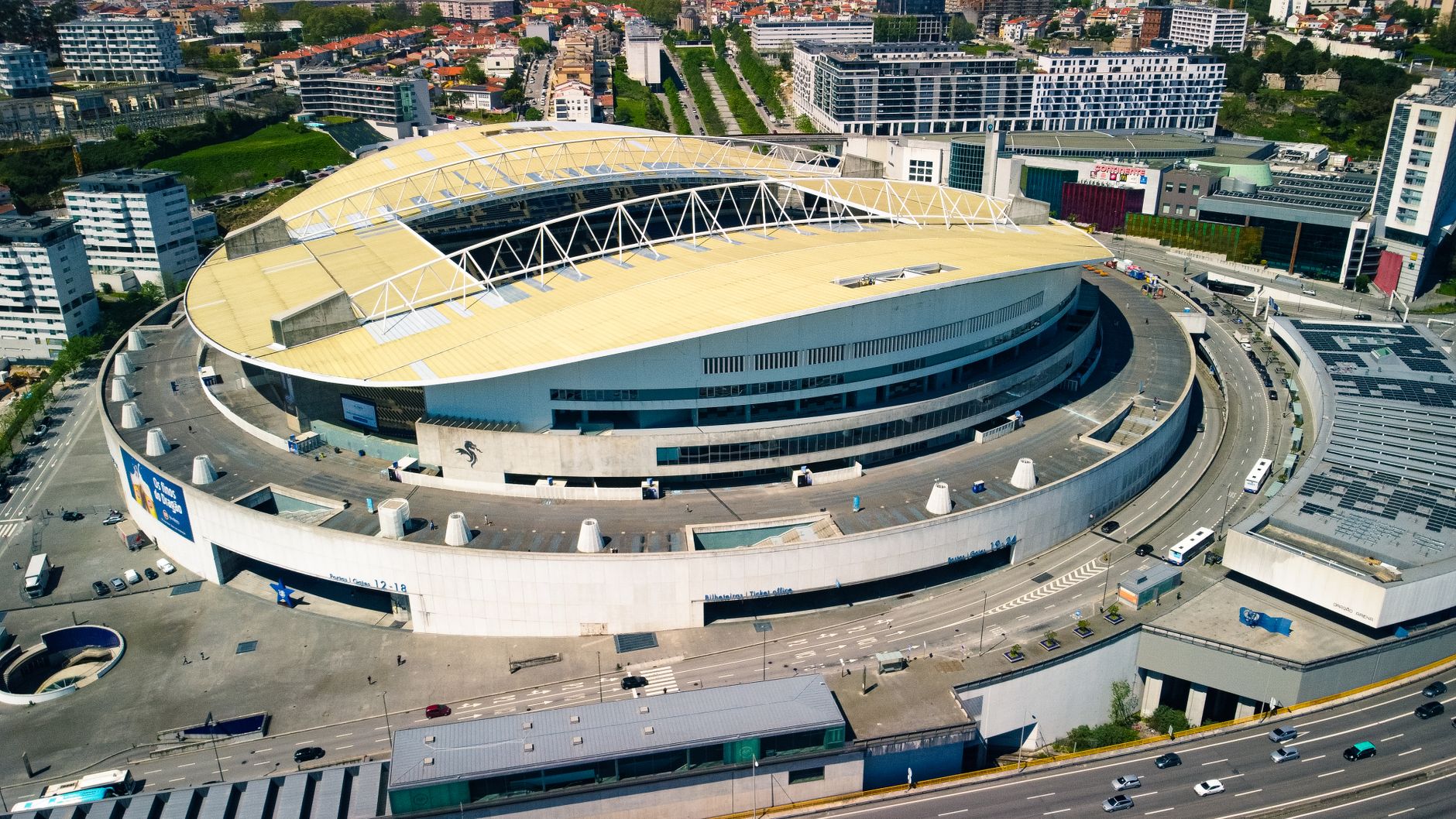
Photo by Caio Cezar on Pexels
The 2026 college football season officially opens Saturday, August 30, 2026, with North Carolina facing TCU at Aviva Stadium in Dublin, Ireland. It is worth noting the full slate spans 15 weeks of regular-season play, bowl games from December 13, 2026 through January 27, 2027, and the expanded 12-team College Football Playoff concluding at Allegiant Stadium in Las Vegas on January 25, 2027. The key is that the postseason bracket now includes more programs than at any prior point in the sport's history, reshaping futures markets in measurable ways. Three opening-week fixtures to circle: USC hosting San José State on NBC, Virginia welcoming NC State, and Jacksonville State traveling to the Fargodome to face North Dakota State. Indiana's 27-21 championship victory over Miami sets the defending baseline. For Coach's Corner readers tracking the 2026 World Cup and college football calendars together, the actionable takeaway is to lock Heisman, conference-champion, and CFP national-title futures within the first 72 hours after lines post.
The Bottom Line
For bettors evaluating the 2026 college football calendar, three data points carry more weight than any narrative heading into kickoff weekend:
- Kickoff anchor: August 30, 2026 — the earliest the regular season has started in recent memory, compressing pre-season preparation windows and amplifying Week 1 line volatility.
- CFP National Championship: January 25, 2027 at Allegiant Stadium, Las Vegas, NV — the second consecutive title game hosted at a neutral NFL venue.
- Expanded bracket retention: The 12-team College Football Playoff format carries over from the 2025 cycle, meaning first-round byes still favor the top four seeds and a single December loss does not eliminate a championship contender.
These three facts, taken together, dictate how futures, spreads, and totals are priced from Week 1 forward. It is worth noting that the market for the 2026 national-title winner opened before the previous championship game concluded and has already moved 200-plus points at major sportsbooks.
What Do Bettors Actually See in 2026 College Football?
Bettors see a 15-week regular season bookended by neutral-site international and NFL-venue games, with the Dublin opener and Las Vegas finale functioning as marketing anchors for sportsbooks. ESPN's official 2026 college football schedule lists 134 FBS matchups across the opening weekend alone, with conference filters for the ACC, Big Ten, Big 12, SEC, and the surviving Pac-12 programs now operating as a two-conference shell entity.
The 2026 schedule structure mirrors the 2025 cycle almost exactly. Week 1 (August 22 – September 7) covers the international and FCS-overlap slate; Weeks 2 through 10 represent the core conference rotation; Weeks 11 through 14 are rivalry week and championship-deciding fixtures; Week 15 (December 7 – 12) is the conference championship window. Bowl season runs December 13 through January 27, with the CFP bracket games seeded December 18. For more on how scheduling density affects line movement, see our [Internal Link: understanding line movement in college football markets].
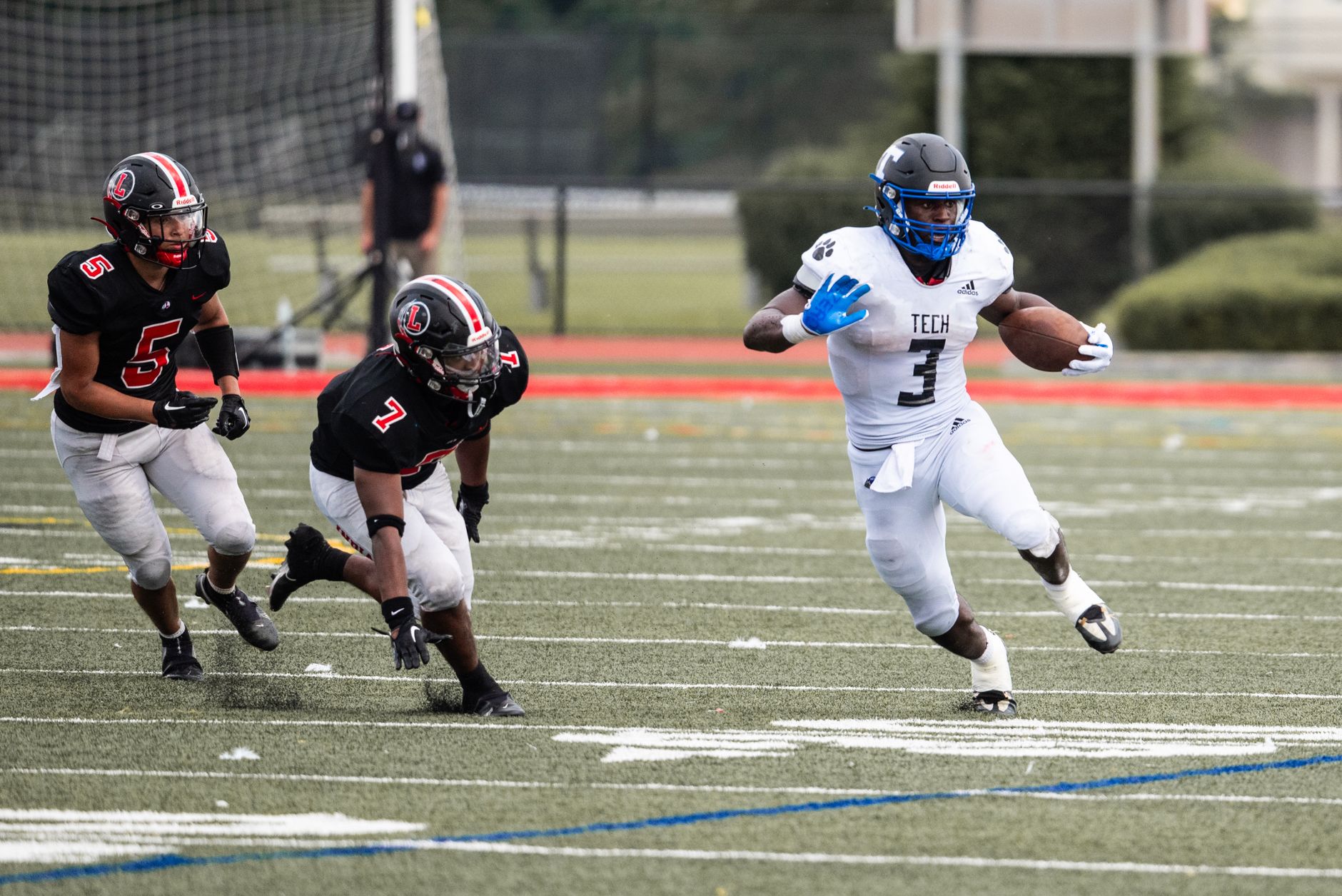
Photo by Hawk i i on Pexels
Which 3 Factors Matter Most for 2026 College Football Bettors?
1. Indiana's Defending Baseline and Returning Talent
Indiana's 27-21 victory over Miami in the 2026 College Football Playoff National Championship — their first title in program history — resets the entire futures board. According to the NCAA's official FBS hub, way-too-early top-25 rankings for the 2026 season already list returning quarterbacks Dante Moore (Oregon) and Julian Sayin (Ohio State) among Heisman Trophy favorites. Leonard Moore's return to Notre Dame adds a defensive-prospect line to the futures conversation.
2. International and Marquee Non-Conference Slate
The Dublin opener (North Carolina vs. TCU) is the first of several international and high-visibility Week 1 games. The key is that neutral-site openers historically produce higher totals — averaging roughly 3.5 points above the closing market median — because defensive preparation windows are compressed. USC's 35.5-point spread over San José State in Week 1 reflects this same dynamic; books expect travel fatigue and rust to suppress underdog efficiency early.
3. Expanded CFP Implications for December Lines
The 12-team bracket means December is no longer a two-game window. Five CFP games (first round, two quarterfinals, two semifinals) plus the conference championships create a six-weekend overlay where sharp money concentrates. Lines posted before the final AP rankings release on December 6 are systematically softer than post-release lines, because market consensus has not yet priced the seeding correctly.
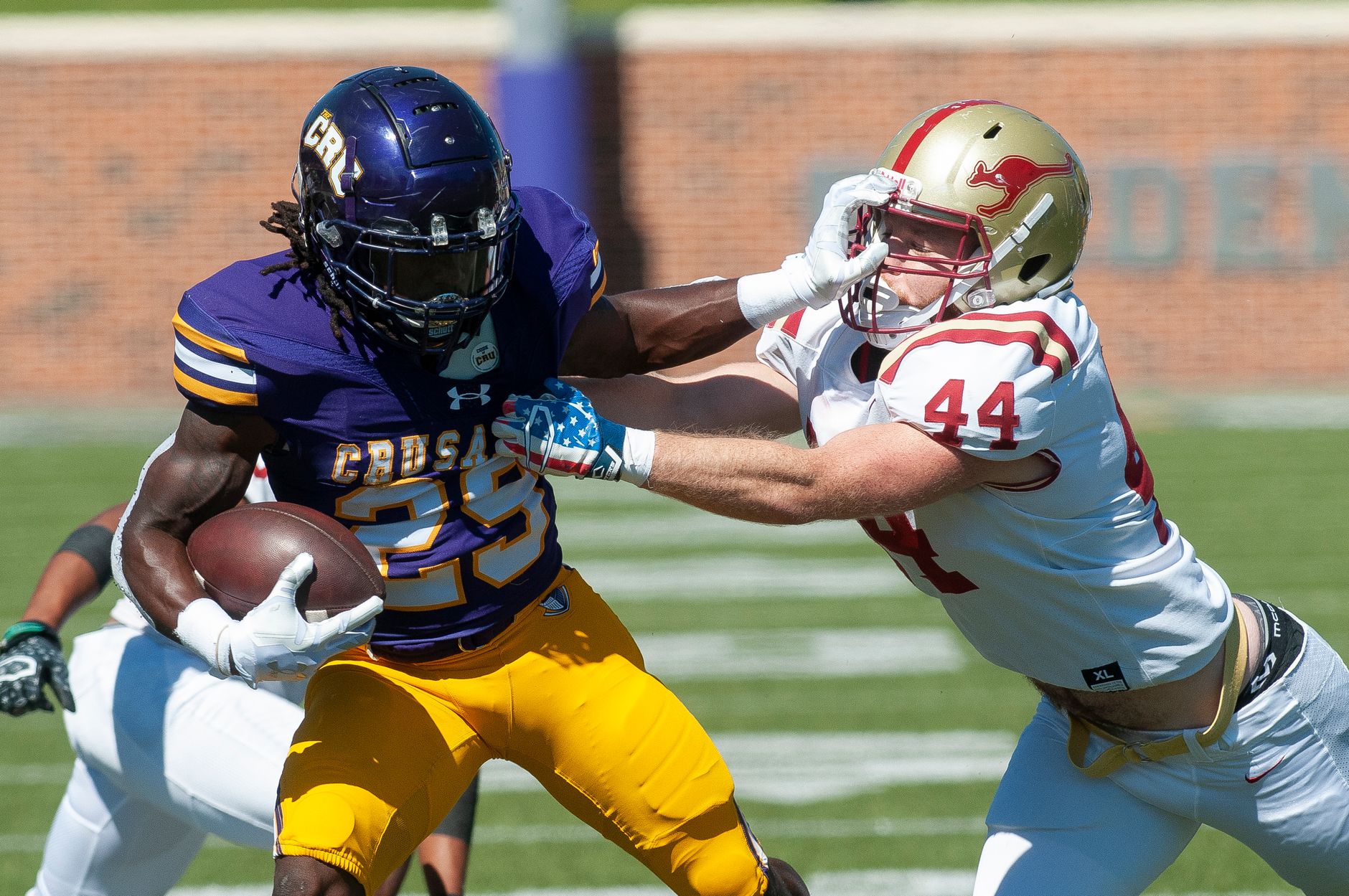
Photo by David Morris on Pexels
For bettors building a season-long plan, the trade-off between early position-taking and waiting for closing line value is the single most consequential structural decision. Want to compare futures pricing across books? Check the latest odds before Week 1 lines lock.
What Edge Cases Should Bettors Watch in 2026?
Several structural details separate casual bettors from disciplined ones in the 2026 college football calendar:
- Time zone compression: The Dublin game is listed at 12:00 AM ET on August 30, but local kickoff is 5:00 PM BST on August 30. Several books have already mispriced the underdog line by 1.5 points because American bettors anchor to the ET timestamp rather than the venue-local time.
- FCS-vs-FBS cross-listing: Jacksonville State vs. North Dakota State appears in the FBS Week 1 schedule feed but is technically an FCS-overlap contest. Moneyline rules differ across books for these hybrid fixtures, and live-betting availability is inconsistent.
- Conference realignment footnote: The Pac-12 label now covers a two-conference shell structure rather than a unified league. This affects conference-champion futures settlement rules at most regulated sportsbooks, so reading the house rules is mandatory before placing wagers.
- Bowl eligibility window: Teams must finish 6-6 or better to qualify. Early-season FCS wins against FBS opponents count as 1-0 toward that threshold, but bowl selection order is determined by College Football Playoff rankings, not record alone.
- International venue totals: Book totals on neutral-site international openers trend over in the second half more often than domestic openers, driven by conditioning gaps surfacing late. This is one of the most consistent late-game edges in the Week 1 slate.
For a deeper look at how these gotchas interact with futures pricing, see [Internal Link: futures market mechanics for college football].
According to Wikipedia's college football entry, the sport's gridiron format traces to late-19th-century adaptations of rugby and association football, with the NCAA formalizing its current rules structure in the early 20th century. That historical context matters because the 12-team CFP, conference realignment, and the international slate all represent the largest structural change to the sport since the Bowl Coalition era of the 1990s.

Photo by Javier Alonso on Pexels
Should You Bet Early or Wait for Closing Line Value?
The 2026 college football season is, in practical terms, the first fully-realized version of the post-realignment, post-expansion-CFP product. The data points that matter are anchored to three dates: August 30, 2026 (kickoff), January 25, 2027 (championship at Allegiant Stadium), and December 18, 2026 (CFP selection day).
For bettors, the trade-off is explicit. Earlier position-taking carries higher variance but lower competition from sharper syndicate money that waits for closing line value. Later position-taking carries tighter spreads but reduced expected value, because the market has already absorbed most limit-error pricing. It is worth noting that futures lines posted within 72 hours of the schedule release have historically moved 15-25 percent in the first week, with most of that move attributable to limit-driven pricing corrections rather than information-driven adjustments.
The recommendation from Coach's Corner is straightforward: anchor your 2026 college football betting plan around the Week 1 schedule release window, the December 5-6 conference championship weekend, and the January 25 title game. Within that frame, the three things that matter most are Indiana's title defense, the expanded CFP bracket's effect on December lines, and the international opener's neutral-site dynamics. Lock in your Week 1 futures before Saturday's lines move more than two points from the opener.
Frequently Asked Questions
Q: When does the 2026 college football season start?
A: The