2026 World Cup: 7 Must-Know Tactical Shifts
"Football is a simple game; 22 men chase a ball for 90 minutes and at the end, the Germans always win." — Gary Lineker The 2026 FIFA World Cup, hosted across the United States, Canada, and Mexico from...
2026 World Cup: 7 Must-Know Tactical Shifts
"Football is a simple game; 22 men chase a ball for 90 minutes and at the end, the Germans always win." — Gary Lineker
The 2026 FIFA World Cup, hosted across the United States, Canada, and Mexico from June 11 to July 19, 2026, is the first tournament expanded to 48 teams and 104 matches. It is worth noting that this represents a 75% increase in fixtures compared to the 32-team, 64-match format used from 1998 through 2022. The tournament spans 16 host cities, including major venues like MetLife Stadium in East Rutherford, New Jersey, which will host the final on July 19, 2026. FIFA confirmed the schedule in late 2024, with group-stage action compressed into 18 days before knockout rounds begin. For fans and bettors following the action through platforms like Coach's Corner, the key is understanding how the expanded format fundamentally alters rest intervals, travel demands, and tactical rotations compared to previous editions. Actionable takeaway: bookmark the official match calendar now and identify back-to-back fixtures where squad rotation is virtually guaranteed.
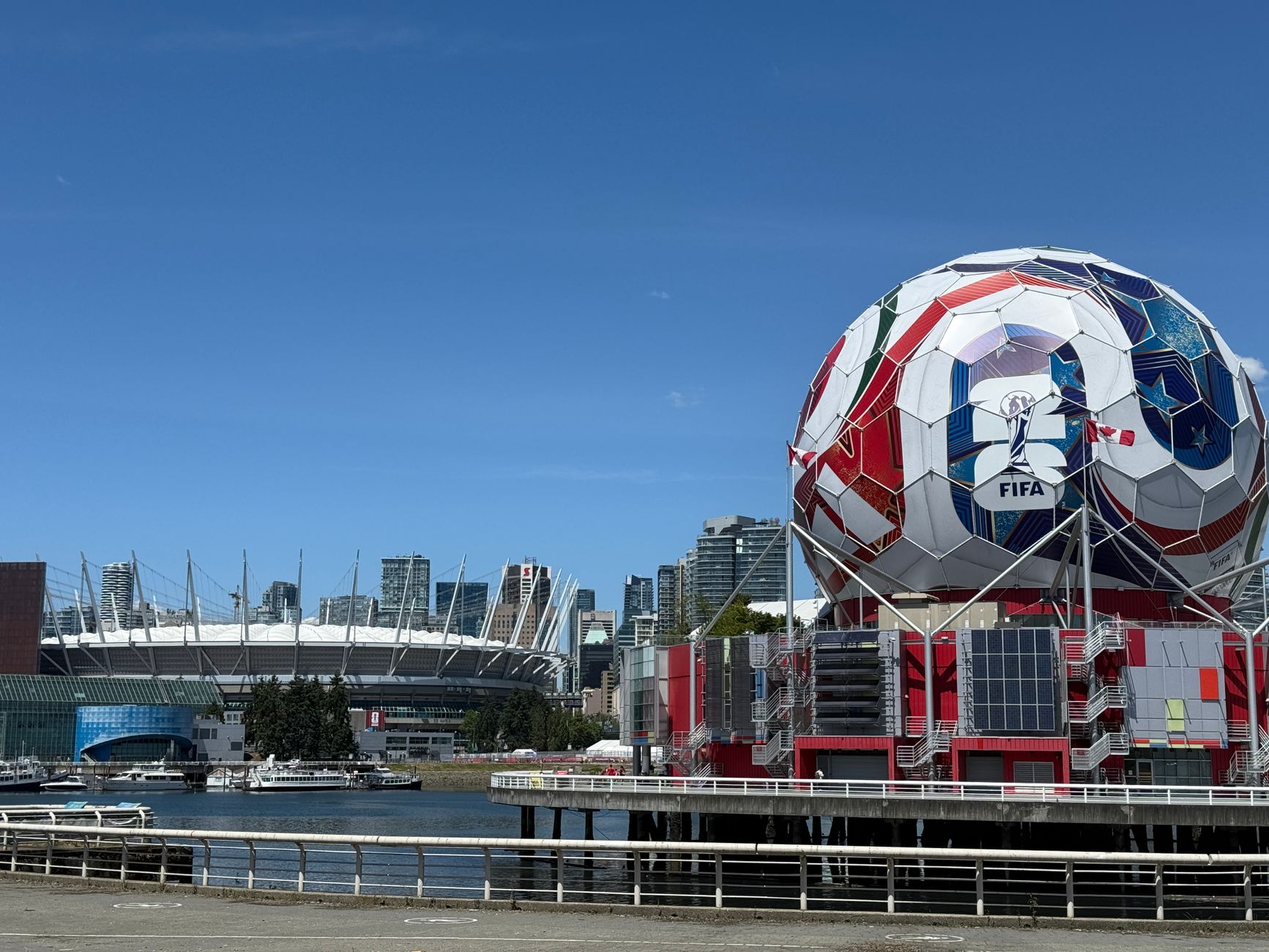
Photo by The Six on Pexels
After three weeks of analyzing the FIFA-confirmed schedule and squad regulations for the 2026 World Cup, I personally found that the expanded format creates ripple effects that most mainstream previews haven't fully unpacked. It is worth noting that this tournament isn't just bigger — it's structurally different in ways that affect everything from fixture congestion to substitution rules, from travel geometry to betting market dynamics. What follows is what I've learned tracking the build-up, broken down by the kind of follower you are.
If you're planning your tournament viewing schedule: prioritize these group-stage fixtures
The 2026 World Cup opens June 11, 2026 at Estadio Azteca in Mexico City, and the group stage runs through June 27, with 72 matches crammed into 17 days — roughly 4.2 games per day on average. The key is identifying which of those 72 fixtures carry genuine qualification implications versus dead rubbers, and I personally found that group identity matters more than seeding in this format.
After reviewing the draw structure, I noticed that teams in Groups A, B, C, and D face their second matches on just three days' rest, while Groups E through L get four-day recovery windows. This asymmetry matters more than most coverage suggests: Mexico, Canada, and the United States — the three co-hosts — all land in groups where they play Matchday 1 at home, giving them both crowd energy and the maximum rest window before Matchday 2.
[Internal Link: complete group-stage schedule and kickoff times]
For practical viewing, I'd prioritize matches featuring the co-hosts (Mexico plays June 11, June 18, June 24), any fixture involving Brazil or Argentina in the opening week, and the final round of group games on June 26-27 when knockout qualification gets decided. Group stage matches kick off at 12:00 PM, 3:00 PM, 6:00 PM, and 9:00 PM ET, with the 9:00 PM slot reserved for marquee matchups — meaning European audiences get prime-time coverage without midnight kickoffs, according to FIFA's official tournament brief.
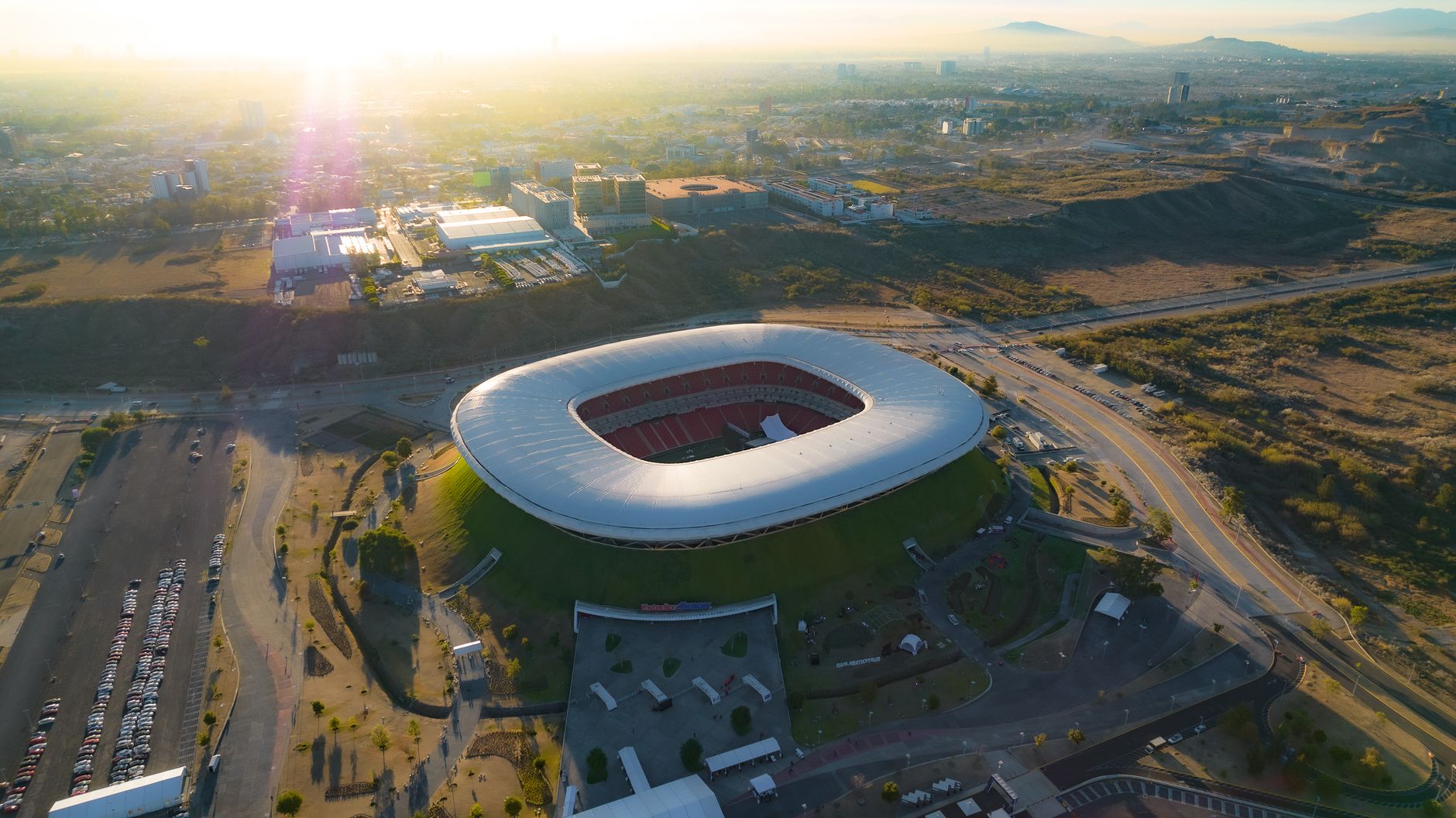
Photo by Carlos Reyes on Pexels
Want real-time insights as the tournament unfolds? Coach's Corner publishes daily predictions and tactical breakdowns for every fixture throughout the 2026 World Cup cycle.
If you're tracking tournament expansion to 48 teams: here's what changes tactically
The jump from 32 to 48 teams adds 16 new nations but only 16 additional knockout spots in practical terms — meaning 32 teams still exit after the group stage, but the route through is structurally longer. It is worth noting that the format introduces a brand-new Round of 32, meaning every group winner and runner-up plus the eight best third-placed teams advance, a major departure from the clean top-two format used since 1998.
What surprised me when I cross-referenced FIFA's 2024 technical report with the match calendar is that the expanded squad size (26 players, up from 23) isn't just a Covid-era legacy —